
About this book
Reading guide
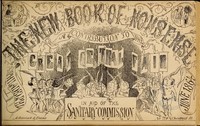
Themes, characters and key ideas in The New Book of Nonsense: Contribution to the Great Central Fair in Aid of the Sanitary Commission, written by Chaptra AI.
- about 2 hours
- beginner
- humorous
- whimsical
- playful
"The New Book of Nonsense" is a mid-19th-century collection of whimsical limericks, anonymously authored and published to support the Sanitary Commission. It offers a delightful array of humorous and nonsensical verses, each introducing a unique character or scenario, blending the ridiculous with the comical. The book serves primarily as lighthearted entertainment, celebrating the absurdities of life through clever wordplay and playful jests. While ostensibly silly, the collection also subtly critiques societal norms and idiosyncrasies, using satire to poke fun at contemporary issues, providing both a historical snapshot and an enduring example of the power of nonsense literature.
“There once was a dandy from York, Whose manners were quite a queer quirk. He’d dance on the table, As if he were able, Then vanish with nary a shirk.”
Key themes
- The Absurdity of Life / Nonsense
- This is the core theme, celebrating the illogical, the irrational, and the delightfully senseless. The book revels in situations and characters that defy conventional logic, presenting them not as errors but as sources of joy and humor. It suggests that finding amusement in the absurd is a valuable human experience.
- The Power of Language and Wordplay
- The book is a testament to the playful potential of the English language. The limerick form itself, with its strict rhyme and meter, forces linguistic creativity. The humor often arises directly from clever rhymes, unexpected word choices, and the manipulation of syntax to achieve a comedic effect, celebrating language as a tool for amusement and invention.
- Social Commentary and Satire
- Beneath the surface of simple humor, many limericks offer gentle satire or observations on societal norms, regional stereotypes, and human foibles. The characters, though caricatures, often reflect types recognizable in mid-19th-century society, allowing the author to playfully poke fun at pretensions, quirks, and common behaviors without malice.
Worth discussing
What defines 'nonsense literature,' and how does this book fit that definition?
Chapter-by-chapter breakdowns, character arcs and the full thematic analysis come with a free account.
Discussions
No one has started one yet
Questions this book opens up
No discussions yet
Be the first to start a discussion about this book!
Sign up to start the discussionReviews
No reviews yet
Be the first to review this book!