
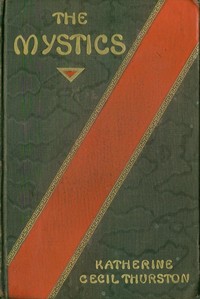
The Mystics: A Novel
Written by Katherine Cecil Thurston
Chaptra reads alongside you — AI insights, chapter breakdowns and reader discussions for every book. Join free
About this book
Reading guide
Themes, characters and key ideas in The Mystics: A Novel, written by Chaptra AI.
- about 8 hours
- intermediate
- dark
- mysterious
- introspective
Katherine Cecil Thurston's "The Mystics: A Novel" delves into the psychological and spiritual journey of John Henderson, a young man grappling with the death of his oppressive uncle, Andrew Henderson, a key figure in a secretive religious sect. Set in a remote Scottish house, the novel explores John's complex emotions – grief, liberation, and growing curiosity about his uncle's mysterious beliefs. As John uncovers the existence of a secret book promising power and enlightenment within the 'Mystics,' he is drawn into a world of hidden agendas, familial legacy, and a profound quest for self-discovery. The narrative masterfully weaves themes of obligation, ambition, deception, and the search for true identity against a backdrop of spiritual mystery and personal struggle.
“The chains of obligation, I found, are often forged from the purest intentions, yet they bind us just as surely.”
Key themes
- Identity and Self-Discovery
- John Henderson's journey is fundamentally a quest for his true identity. Having lived under his uncle's shadow, he must disentangle his inherited self from his authentic desires and beliefs. This theme explores the challenges of defining oneself amidst external pressures and inherited legacies.
- Familial Obligation vs. Personal Freedom
- This theme is central to John Henderson's journey. He begins under the heavy weight of his uncle's influence and the unspoken duties of his heritage. The novel explores his struggle to break free from these bonds and define his own life and values, independent of his family's legacy and the expectations placed upon him.
- The Nature of Belief and Cults
- The novel delves into the allure and dangers of secretive religious sects, examining how belief systems can offer meaning and community, but also become instruments of control and deception. It questions the authenticity of spiritual enlightenment versus the manipulation of followers.
Worth discussing
How does John's relationship with his uncle shape his initial understanding of 'freedom' and 'obligation'?
Chapter-by-chapter breakdowns, character arcs and the full thematic analysis come with a free account.
Discussions
No one has started one yet
Questions this book opens up
No discussions yet
Be the first to start a discussion about this book!
Sign up to start the discussionReviews
No reviews yet
Be the first to review this book!