
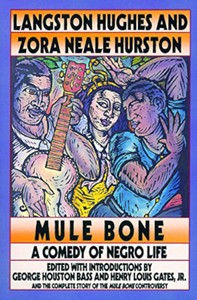
The mule-bone : $b a comedy of Negro life in three acts
Written by Zora Neale Hurston,Langston Hughes
Chaptra reads alongside you — AI insights, chapter breakdowns and reader discussions for every book. Join free
About this book
Reading guide
Themes, characters and key ideas in The mule-bone : $b a comedy of Negro life in three acts, written by Chaptra AI.
- about 3 hours
- intermediate
- humorous
- authentic
- lively
"The Mule-Bone: A Comedy of Negro Life in Three Acts" is a collaborative play by Zora Neale Hurston and Langston Hughes, set in the vibrant, close-knit Black Southern town of Eatonville, Florida. The narrative revolves around a love triangle between the guitarist Jim Weston, the dancer Dave Carter, and the coveted Daisy Taylor, which escalates into a public dispute. The play meticulously captures the humor, dialect, and social dynamics of a rural African American community in the early 20th century, culminating in a mock trial that highlights the community's unique approach to justice and conflict resolution. Despite its comedic tone, the work delves into themes of jealousy, communal identity, and the preservation of cultural heritage, offering a rich portrayal of Black life. Its historical significance is further amplified by the infamous dispute between its celebrated authors over its ownership and direction.
“"Every man got a right to be mad, but ain't no man got a right to be mean."”
Key themes
- Community and Folk Justice
- The play vividly portrays the intricate social fabric of a Black Southern town, where community bonds are strong, and internal systems of justice and conflict resolution are paramount. The mock trial is a central mechanism for exploring how the community governs itself, maintains order, and addresses individual transgressions through collective deliberation and folk wisdom.
- Authenticity of Black Southern Life and Culture
- A primary objective of Hurston and Hughes was to capture and celebrate the unadulterated essence of Black Southern folk life, particularly its language, humor, customs, and resilience, without condescension or external interpretation. The play is a significant work of cultural documentation, showcasing the richness of a community often misrepresented in mainstream media.
- Love, Jealousy, and Rivalry
- At its heart, the play is driven by a classic love triangle, exploring the intense emotions of romantic desire, the destructive power of jealousy, and the competitive nature of rivalry. The affections of Daisy Taylor spark the central conflict, highlighting how personal emotions can escalate into public disputes within a close-knit setting.
Worth discussing
How does 'The Mule-Bone' challenge or reinforce prevailing stereotypes of African Americans in early 20th-century literature and theater?
Chapter-by-chapter breakdowns, character arcs and the full thematic analysis come with a free account.
Discussions
No one has started one yet
Questions this book opens up
No discussions yet
Be the first to start a discussion about this book!
Sign up to start the discussionReviews
No reviews yet
Be the first to review this book!