
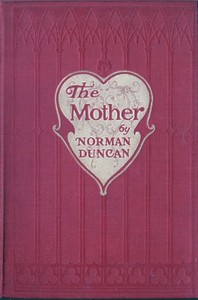
The Mother
Written by Norman Duncan
Chaptra reads alongside you — AI insights, chapter breakdowns and reader discussions for every book. Join free
About this book
Reading guide
Themes, characters and key ideas in The Mother, written by Chaptra AI.
- about 8 hours
- intermediate
- somber
- resilient
- poignant
Norman Duncan's early 20th-century novel, "The Mother," chronicles the arduous journey of Millie, a single mother fiercely devoted to shielding her young son, Richard, from life's harsh realities. Set in a gritty urban tenement, the story begins with Millie comforting Richard after his estranged father's death, weaving narratives of hope to ease his grief. Her resourcefulness and determination are highlighted as she navigates poverty and societal challenges, all while striving to preserve Richard's innocence. The novel delves into profound themes of unconditional love, sacrifice, and the intricate dynamics of family bonds amidst adversity, painting a poignant portrait of maternal resilience.
“"His father isn't gone, my love; he's just gone to a place where there's no more pain, a place like a warm, quiet dream."”
Key themes
- Maternal Love and Sacrifice
- This is the central, pervasive theme of the novel, exploring the boundless and often self-sacrificing nature of a mother's love. Millie's entire existence is dedicated to her son, Richard, and she consistently prioritizes his well-being, happiness, and innocence above her own needs, comfort, or even personal truth. The theme examines the profound emotional and physical labor involved in single parenthood.
- Truth vs. Illusion/Protection
- The novel critically examines the fine line between protecting a child's innocence and the potential harm of withholding truth. Millie constantly grapples with this dilemma, choosing to construct comforting illusions for Richard about death, poverty, and other harsh realities. This theme explores the moral and psychological complexities of such choices, questioning whether 'kinder' lies serve a greater good than painful truths.
- Resilience in Adversity
- Set in a 'gritty urban environment' in the early 20th century, the novel showcases the extraordinary resilience required to survive and even thrive amidst poverty, loss, and societal challenges. Millie embodies this theme through her unwavering spirit, resourcefulness, and refusal to succumb to despair, constantly finding ways to navigate difficult circumstances for her son's sake.
Worth discussing
How does Millie's definition of 'protection' evolve throughout the novel, and is her approach to shielding Richard always beneficial?
Chapter-by-chapter breakdowns, character arcs and the full thematic analysis come with a free account.
Discussions
No one has started one yet
Questions this book opens up
No discussions yet
Be the first to start a discussion about this book!
Sign up to start the discussionReviews
No reviews yet
Be the first to review this book!