
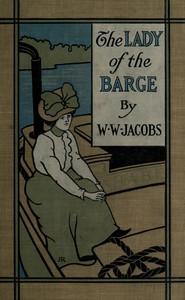
The Monkey's Paw: The Lady of the Barge and Others, Part 2.
Written by W. W. (William Wymark) Jacobs
Chaptra reads alongside you — AI insights, chapter breakdowns and reader discussions for every book. Join free
About this book
Reading guide
Themes, characters and key ideas in The Monkey's Paw: The Lady of the Barge and Others, Part 2., written by Chaptra AI.
- about 8 hours
- intermediate
- dark
- mysterious
- suspenseful
W. W. Jacobs's "The Monkey's Paw" is a chilling horror short story that masterfully explores the perils of tampering with fate and the devastating consequences of unchecked desire. It follows the White family—Mr. and Mrs. White and their son Herbert—as they acquire a mystical monkey's paw capable of granting three wishes. Despite warnings, their first wish for 200 pounds is granted at the tragic cost of Herbert's life. Consumed by grief, Mrs. White compels her husband to use the paw for a second wish, leading to a terrifying climax that highlights the true horror of resurrection and the ultimate futility of trying to reverse destiny. The story leaves readers with a profound and haunting reflection on the nature of loss, the limits of human intervention, and the terrifying price of ill-considered wishes.
“"It had a spell put on it by an old fakir," said the sergeant-major, "a very holy man. He wanted to show that fate ruled people's lives, and that those who interfered with it did so to their sorrow."”
Key themes
- Fate vs. Free Will
- This is the central philosophical conflict. The monkey's paw, with its ability to grant wishes, seemingly offers free will, but Sergeant-Major Morris explicitly states it was enchanted to prove that 'fate ruled people's lives.' The tragic outcomes of the wishes suggest that attempting to circumvent destiny only leads to suffering, reinforcing the idea that some things are predetermined or that interference with natural order has dire costs.
- The Perils of Desire and Unintended Consequences
- The story serves as a stark cautionary tale about the dangers of unchecked desire and the unforeseen, often horrific, consequences of getting exactly what one wishes for without considering the broader implications. Each wish granted by the paw comes with a terrible price, demonstrating that human understanding is too limited to wield such power safely.
- Grief and Loss
- The emotional core of the story is the White family's profound grief following Herbert's death. This overwhelming sorrow drives Mrs. White to demand the second wish, pushing the narrative into its most horrifying phase. The story explores how grief can distort reason, lead to desperate acts, and ultimately, how some losses are irreversible and must be accepted, no matter how painful.
Worth discussing
How does Jacobs build suspense throughout the story, particularly leading up to the second and third wishes?
Chapter-by-chapter breakdowns, character arcs and the full thematic analysis come with a free account.
Discussions
No one has started one yet
Questions this book opens up
No discussions yet
Be the first to start a discussion about this book!
Sign up to start the discussionReviews
No reviews yet
Be the first to review this book!