
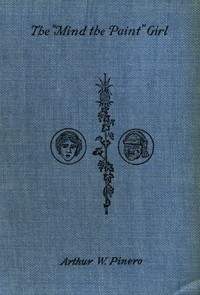
The 'Mind the Paint' Girl: A Comedy in Four Acts
Written by Arthur Wing Pinero
Chaptra reads alongside you — AI insights, chapter breakdowns and reader discussions for every book. Join free
About this book
Reading guide
Themes, characters and key ideas in The 'Mind the Paint' Girl: A Comedy in Four Acts, written by Chaptra AI.
- about 3 hours
- intermediate
- humorous
- romantic
- witty
Arthur Wing Pinero's "The 'Mind the Paint' Girl" is a four-act comedic play set in the early 20th century, chronicling the life of Lily Parradell, a celebrated actress navigating the glitzy yet precarious world of Edwardian theatre. Known by her stage moniker, Lily finds herself at the center of a romantic quandary, torn between the earnest affection of the aristocratic Lord Farncombe and the possessive jealousy of Captain Jeyes. The play humorously explores the social complexities and challenges faced by women in show business, juxtaposing the glamour of the stage with the strictures of societal expectations. Through witty dialogue and evolving relationships, Pinero offers a satirical glimpse into class distinctions, ambition, and the pursuit of genuine happiness amidst public scrutiny.
“"The stage is a looking-glass, my dear, and sometimes it shows us more than we care to see."”
Key themes
- Social Class and Mobility
- The play extensively explores the rigid social stratification of Edwardian England and the challenges faced by individuals, particularly women, who attempt to cross class boundaries. Lily Parradell's success as an actress places her in a unique position, admired by many but often judged by the upper echelons of society. Her romantic choices directly reflect the tension between social acceptance and personal happiness.
- The Life of an Actress / Illusion vs. Reality
- Pinero delves into the dual nature of an actress's life: the glamour, adoration, and illusion of the stage versus the personal struggles, societal scrutiny, and demanding reality behind the scenes. Lily's character embodies this tension, constantly balancing her public persona with her authentic self. The play questions what is real and what is merely 'paint' or performance in both theatre and life.
- Gender Roles and Expectations
- The play subtly critiques the restrictive gender roles and expectations placed upon women in early 20th-century society. Lily, as a successful, independent woman in a public profession, challenges many of these norms, yet she is still subject to judgment, particularly concerning her romantic choices and reputation. The male characters' differing views on her career and future highlight these societal pressures.
Worth discussing
How does Pinero use humor to comment on serious social issues of the Edwardian era?
Chapter-by-chapter breakdowns, character arcs and the full thematic analysis come with a free account.
Discussions
No one has started one yet
Questions this book opens up
No discussions yet
Be the first to start a discussion about this book!
Sign up to start the discussionReviews
No reviews yet
Be the first to review this book!