
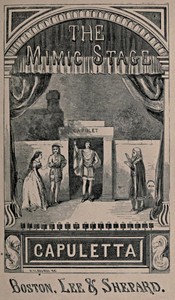
The Mimic Stage: A Series of Dramas, Comedies, Burlesques, and Farces for Public Exhibitions and Private Theatricals
Written by George M. (George Melville) Baker
Chaptra reads alongside you — AI insights, chapter breakdowns and reader discussions for every book. Join free
About this book
Reading guide
Themes, characters and key ideas in The Mimic Stage: A Series of Dramas, Comedies, Burlesques, and Farces for Public Exhibitions and Private Theatricals, written by Chaptra AI.
- about 8 hours
- intermediate
- heartwarming
- humorous
- nostalgic
The Mimic Stage: A Series of Dramas, Comedies, Burlesques, and Farces for Public Exhibitions and Private Theatricals" by George M. Baker is a significant late 19th-century compilation of diverse dramatic works. Designed specifically for amateur theatrical groups, the collection emphasizes accessibility, aiming to provide widespread enjoyment without demanding elaborate staging or high costs. The volume showcases Baker's versatility across genres, from light-hearted comedies to more poignant dramas like its opening piece, "Down by the Sea." This particular play introduces a compelling narrative of found family and identity through the lives of fisherman John Gale and his two shipwreck-rescued protégés, March and September Gale. Ultimately, the collection serves as both a source of entertainment and a valuable historical artifact, reflecting the vibrant amateur theater culture of its era.
“"The sea gives, and the sea takes, but sometimes, it gives back more than we ever dared to hope."”
Key themes
- Found Family
- This theme is central to 'Down by the Sea,' where John Gale rescues and raises March and September, creating a family unit bound by love and shared experience rather than blood. It explores the idea that familial bonds can be forged through kindness, care, and mutual support, transcending biological ties. The narrative emphasizes the strength and warmth of this unconventional family.
- Identity and Origins
- Explored primarily through March and September Gale, this theme delves into the human need to understand one's roots and the impact of an unknown past on self-perception. The mystery surrounding their birth parents and the circumstances of their shipwrecks creates a subtle tension, prompting questions about who they are beyond their present circumstances.
- The Accessibility of Art/Theater
- This is a meta-theme for the entire collection, highlighting Baker's explicit goal of providing dramatic pieces for 'public exhibitions and private theatricals' that remove 'the burden of cost and elaborate staging.' It champions the idea that theater should not be exclusive but should be available and enjoyable for 'young and old alike,' fostering community engagement and widespread cultural participation.
Worth discussing
How does 'The Mimic Stage' reflect the cultural values and leisure activities of the late 19th century?
Chapter-by-chapter breakdowns, character arcs and the full thematic analysis come with a free account.
Discussions
No one has started one yet
Questions this book opens up
No discussions yet
Be the first to start a discussion about this book!
Sign up to start the discussionReviews
No reviews yet
Be the first to review this book!