
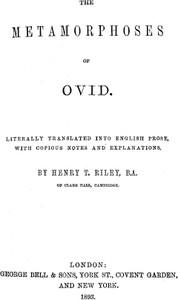
About this book
Reading guide
Themes, characters and key ideas in The Metamorphoses of Ovid, Books I-VII, written by Chaptra AI.
- about 12 hours
- advanced
- mythological
- tragic
- epic
Ovid's "The Metamorphoses, Books I-VII" is a foundational classical epic, chronicling the world's history from its creation out of Chaos to numerous mythological transformations, primarily within the Greek and Roman pantheon. It explores the dynamic interplay between powerful, often capricious gods and vulnerable, yet sometimes defiant, mortals. Through a series of interwoven tales, the narrative delves into profound themes of change, divine justice, human hubris, and the enduring power of love and loss. These initial books establish the cosmos, introduce the ages of man and the great flood, and feature iconic myths that illustrate the irreversible consequences of divine intervention and human folly.
“My mind is bent to tell of bodies changed into new forms.”
Key themes
- Transformation and Metamorphosis
- This is the central, explicit theme of the entire work. Ovid explores transformation not just as physical change, but as a metaphor for the constant flux of nature, the consequences of human and divine actions, and the enduring power of stories. It encompasses changes from chaos to order, human to animal/plant/stone, and even moral decline/renewal.
- Divine Power and Human Hubris
- Ovid consistently portrays the gods as immensely powerful, often capricious, and driven by human-like passions (lust, envy, anger). Mortals who defy or disrespect the gods, or who become objects of divine desire, frequently suffer dire consequences, illustrating the vast power imbalance and the dangers of human pride.
- Love, Desire, and Loss
- Love and desire are powerful catalysts for transformation and tragedy in Ovid's myths. Often, desire is unrequited, obsessive, or violent, leading to suffering, flight, and ultimately, metamorphosis. The poem explores the intoxicating and destructive nature of passion, and the profound sense of loss that often accompanies these transformations.
Worth discussing
How does Ovid use the theme of metamorphosis to explore ideas about identity, fate, and the nature of reality?
Chapter-by-chapter breakdowns, character arcs and the full thematic analysis come with a free account.
Discussions
No one has started one yet
Questions this book opens up
No discussions yet
Be the first to start a discussion about this book!
Sign up to start the discussionReviews
No reviews yet
Be the first to review this book!