
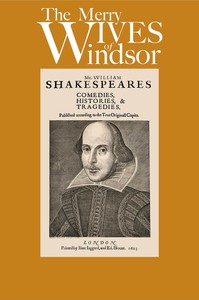
The Merry Wives of Windsor
Written by William Shakespeare
Chaptra reads alongside you — AI insights, chapter breakdowns and reader discussions for every book. Join free
About this book
Reading guide
Themes, characters and key ideas in The Merry Wives of Windsor, written by Chaptra AI.
- about 8 hours
- intermediate
- humorous
- witty
- lively
Shakespeare's "The Merry Wives of Windsor" is a boisterous comedic play centered on the corpulent knight Sir John Falstaff, who, in a desperate attempt to replenish his dwindling funds, simultaneously tries to seduce two respectable married women, Mistress Ford and Mistress Page. Unbeknownst to Falstaff, the witty wives quickly discover his identical letters and conspire to exact a series of humiliating revenge plots against him, involving laundry baskets, disguised beatings, and a final public shaming in Windsor Forest. Interwoven with Falstaff's misadventures is a secondary plot concerning the various suitors vying for the hand of Anne Page, whose parents have differing preferences, ultimately leading to Anne's own clever elopement with her chosen love. The play is a vibrant exploration of female intelligence, the folly of vanity, and the comedic chaos that ensues from deception and social ambition.
“Why, then the world's mine oyster, Which I with sword will open.”
Key themes
- Female Ingenuity and Agency
- This theme explores the intelligence, resourcefulness, and solidarity of women in a patriarchal society. Mistress Ford and Mistress Page are the primary examples, using their wit to outsmart Falstaff and protect their honor, demonstrating significant agency within their domestic sphere.
- Jealousy and Deception
- The play extensively explores the destructive nature of jealousy, particularly through Master Ford's irrational suspicions about his wife. Deception is a pervasive motif, used by Falstaff for gain, by the wives for justice, and by Anne and Fenton for love.
- Social Status and Class
- The play highlights the anxieties and aspirations related to social class in Elizabethan England. Falstaff's schemes are driven by his need to maintain a knightly lifestyle despite his dwindling funds, while the various suitors for Anne Page are judged by their wealth and social standing.
Worth discussing
How do Mistress Ford and Mistress Page subvert traditional Elizabethan expectations of women through their actions and intelligence?
Chapter-by-chapter breakdowns, character arcs and the full thematic analysis come with a free account.
Discussions
No one has started one yet
Questions this book opens up
No discussions yet
Be the first to start a discussion about this book!
Sign up to start the discussionReviews
No reviews yet
Be the first to review this book!