
About this book
Reading guide
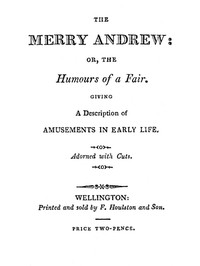
Themes, characters and key ideas in The Merry Andrew; or, The Humours of a Fair., written by Chaptra AI.
- about 3 hours
- beginner
- humorous
- moralistic
- playful
"The Merry Andrew; or, The Humours of a Fair" is an early 19th-century children's tale by an anonymous author, offering a vibrant and moralistic depiction of fairground life. Through the eyes of children and the antics of whimsical fair figures, the book explores themes of curiosity, folly, and the direct consequences of one's actions. It blends light-hearted entertainment with didactic lessons, imparting values such as prudence, the dangers of gambling, and the importance of time. The narrative uses engaging dialogue and incidents, like Dick Wilson's mishaps and Wat Wilful's ambitious fall, to convey its educational messages. Ultimately, it serves as both a playful snapshot of historical amusements and a vehicle for moral instruction aimed at a young audience.
“"A fair is a grand spectacle, indeed, but one must keep their wits about them, lest folly lead them astray."”
Key themes
- Consequences of Actions
- A central theme emphasizing that every action, whether good or ill-considered, has a direct and often immediate consequence. The book uses the fairground setting to provide clear, relatable examples of cause and effect for young readers.
- Curiosity and Folly
- The book explores how unchecked curiosity can lead to folly. Children's natural inquisitiveness, while positive, is shown to become problematic when not tempered with caution and prudence. Folly is presented as a consequence of impulsive actions and poor judgment.
- Prudence and Discretion
- The book actively promotes prudence—the ability to govern and discipline oneself by the use of reason—and discretion as essential virtues. It contrasts these with impulsiveness and recklessness, showing how careful thought can avert negative outcomes.
Worth discussing
How does the setting of a fair contribute to the moral lessons taught in the book?
Chapter-by-chapter breakdowns, character arcs and the full thematic analysis come with a free account.
Discussions
No one has started one yet
Questions this book opens up
No discussions yet
Be the first to start a discussion about this book!
Sign up to start the discussionReviews
No reviews yet
Be the first to review this book!