
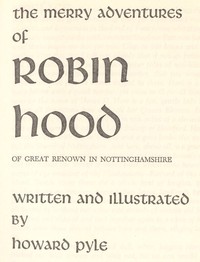
The Merry Adventures of Robin Hood
Written by Howard Pyle
Chaptra reads alongside you — AI insights, chapter breakdowns and reader discussions for every book. Join free
About this book
Reading guide
Themes, characters and key ideas in The Merry Adventures of Robin Hood, written by Chaptra AI.
- about 10 hours
- intermediate
- Adventurous
- Humorous
- Heroic
Howard Pyle's "The Merry Adventures of Robin Hood" is a vibrant and foundational retelling of the classic English folklore surrounding the legendary outlaw of Sherwood Forest. The book chronicles Robin Hood's transformation from a wronged nobleman into a champion of the poor and a scourge of the corrupt authorities, primarily the Sheriff of Nottingham and greedy abbots. Through a series of episodic tales, it depicts his daring exploits, clever deceptions, and unwavering commitment to justice, often alongside his loyal band of Merry Men. Pyle's narrative masterfully blends adventure, humor, and a clear moral compass, solidifying the enduring image of Robin Hood as a heroic figure who embodies freedom and resistance against tyranny.
“"For as long as I have a bow and a good broad arrow, I will never turn my back upon a foe."”
Key themes
- Justice vs. Injustice
- This is the central theme, exploring the concept of justice outside the corrupt legal system. Robin Hood and his Merry Men act as a parallel system of justice, punishing the greedy and oppressive (Sheriff, abbots, wealthy knights) and aiding the poor and defenseless. Pyle presents a clear moral dichotomy, where institutional power is often unjust, and true justice resides with those who defy it for the common good.
- Freedom and Individuality
- The book celebrates the freedom of the individual and the collective freedom of the Merry Men in the greenwood, contrasted with the constraints and corruption of feudal society. The forest represents autonomy, self-governance, and a life lived on one's own terms, free from the dictates of the crown and the church. Robin Hood's ultimate choice to return to Sherwood, even after a pardon, underscores the value of this freedom.
- Loyalty and Brotherhood
- The bond among Robin Hood and his Merry Men is a cornerstone of the narrative. Their unwavering loyalty to each other and to their leader is essential for their survival and success against overwhelming odds. This theme emphasizes the strength found in unity, mutual respect, and shared purpose, creating a powerful sense of community and chosen family.
Worth discussing
How does Pyle's portrayal of Robin Hood differ from other adaptations you may have encountered? What elements did he establish that are now iconic?
Chapter-by-chapter breakdowns, character arcs and the full thematic analysis come with a free account.
Discussions
No one has started one yet
Questions this book opens up
No discussions yet
Be the first to start a discussion about this book!
Sign up to start the discussionReviews
No reviews yet
Be the first to review this book!