
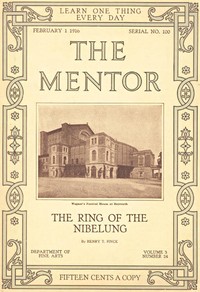
The Mentor: The Ring of the Nibelung, Vol. 3, Num. 24, Serial No. 100, February 1, 1916
Written by Henry T. Finck
Chaptra reads alongside you — AI insights, chapter breakdowns and reader discussions for every book. Join free
About this book
Reading guide
Themes, characters and key ideas in The Mentor: The Ring of the Nibelung, Vol. 3, Num. 24, Serial No. 100, February 1, 1916, written by Chaptra AI.
- about 8 hours
- intermediate
- humorous
- realistic
- reflective
This collection of novellas, attributed to Väinö Kataja, immerses readers in early 20th-century Finnish rural life, exploring the intricate dynamics between humans, nature, and community. Through vivid storytelling, the book captures the everyday struggles, customs, and unique personalities of a Finnish village. The opening novella, "Niittymatoja hävittämässä," exemplifies this by focusing on a devastating meadow worm infestation in Yliranta, observed by Aukusti Joakim. The narrative skillfully blends humor with the harsh realities of agricultural life, showcasing the community's efforts to understand and combat the natural threat.
“"The meadow, once a vibrant green tapestry, now lay like a tattered rug, chewed to the very roots."”
Key themes
- Human vs. Nature
- This theme is central, explored through the devastating meadow worm infestation that threatens the livelihood of the Yliranta villagers. It highlights humanity's vulnerability to natural forces and the constant struggle to coexist with or overcome environmental challenges. The worms are not just pests but a symbol of nature's unpredictable power.
- Community and Resilience
- The novellas emphasize the strength and dynamics of the rural community when faced with a common threat. The farmers' discussions and collective attempts to combat the infestation illustrate how shared adversity can foster unity, resourcefulness, and mutual support. It's a testament to the resilience of people bound by shared experiences and a common goal.
- Rural Life and Agricultural Realities
- The book provides an authentic and detailed portrayal of daily life in a Finnish village during the early 20th century, with a particular focus on the realities of farming. It captures the rhythms, challenges, and dependencies inherent in an agricultural lifestyle, showcasing the deep connection between the people and their land.
Worth discussing
How does the novella 'Niittymatoja hävittämässä' illustrate the human relationship with nature in a rural setting?
Chapter-by-chapter breakdowns, character arcs and the full thematic analysis come with a free account.
Discussions
No one has started one yet
Questions this book opens up
No discussions yet
Be the first to start a discussion about this book!
Sign up to start the discussionReviews
No reviews yet
Be the first to review this book!