
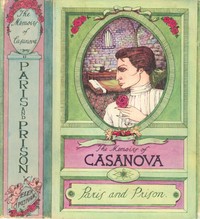
The Memoirs of Jacques Casanova de Seingalt, Vol. II (of VI), "To Paris and Prison": The First Complete and Unabridged English Translation, Illustrated with Old Engravings
Written by Giacomo Casanova
Chaptra reads alongside you — AI insights, chapter breakdowns and reader discussions for every book. Join free
About this book
Reading guide
Themes, characters and key ideas in The Memoirs of Jacques Casanova de Seingalt, Vol. II (of VI), "To Paris and Prison": The First Complete and Unabridged English Translation, Illustrated with Old Engravings, written by Chaptra AI.
- about 8 hours
- advanced
- romantic
- adventurous
- historical
Volume II of Casanova's celebrated memoirs chronicles his journey from Bologna with the enigmatic Henriette, a passionate affair that defines a significant period of his early life. Their intense romance, marked by secrecy and joy, eventually gives way to Casanova's solo adventures in Paris, a city bustling with new opportunities for romantic entanglements and social climbing. The narrative follows his navigation through the intricate societal structures of 18th-century Europe, showcasing his charm, wit, and relentless pursuit of pleasure and personal freedom. However, this period of grand escapades culminates in a dramatic turn, leading to his eventual imprisonment, a stark contrast to his earlier carefree existence and a pivotal moment in his ongoing personal evolution.
“True love, my dear Henriette, is not a chain, but wings that lift us above the mundane.”
Key themes
- Love and Desire
- This volume extensively explores the complexities of love and desire, from the profound, almost spiritual connection Casanova shares with Henriette to the myriad of fleeting, often superficial, romantic entanglements in Paris. It delves into the nature of passion, fidelity (or lack thereof), and the psychological motivations behind Casanova's relentless pursuit of amorous adventures, contrasting genuine affection with mere physical attraction or social utility.
- Freedom vs. Constraint
- A central theme is Casanova's lifelong pursuit of personal freedom, both physical and intellectual, juxtaposed against the various constraints imposed by society, law, and even his own passions. His constant travels and defiance of social norms embody his desire for unfettered liberty, which is dramatically challenged by his eventual imprisonment, forcing him to confront the limits of his autonomy.
- Identity and Performance
- Casanova often adopts different personas and conceals his true identity or intentions, both for romantic pursuits and to navigate the intricate social and political landscapes of 18th-century Europe. This theme explores how individuals construct and perform their identities to achieve their goals, reflecting on the authenticity of self in a world of appearances.
Worth discussing
How does Casanova define 'love' in this volume, and how does his relationship with Henriette challenge or confirm this definition?
Chapter-by-chapter breakdowns, character arcs and the full thematic analysis come with a free account.
Discussions
No one has started one yet
Questions this book opens up
No discussions yet
Be the first to start a discussion about this book!
Sign up to start the discussionReviews
No reviews yet
Be the first to review this book!