
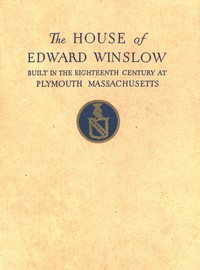
The Mayflower Society House: Being the story of the Edward Winslow House, the Mayflower Society, the Pilgrims
Written by Walter Merriam Pratt
Chaptra reads alongside you — AI insights, chapter breakdowns and reader discussions for every book. Join free
About this book
Reading guide
Themes, characters and key ideas in The Mayflower Society House: Being the story of the Edward Winslow House, the Mayflower Society, the Pilgrims, written by Chaptra AI.
- about 8 hours
- advanced
- Historical
- Commemorative
- Reverent
Walter Merriam Pratt's "The Mayflower Society House" serves as a commemorative historical account, intertwining the specific history of the Edward Winslow House in Plymouth, Massachusetts, with the broader narrative of the Pilgrims. Written in the late 19th to early 20th century, the book aims to honor the legacy and foundational ideals of these early American settlers. Pratt meticulously details the house's origins in 1754 and its association with Edward Winslow, a Royalist, before expanding to cover the Pilgrims' arduous journey, their pursuit of religious freedom, and the establishment of Plymouth Colony. A central focus is placed on the Mayflower Compact, presented as a seminal document laying the groundwork for American democracy and contributing significantly to the nation's core values. Ultimately, the work functions as a patriotic tribute, celebrating the Pilgrims' resilience and their enduring impact on American identity and governance.
“The Edward Winslow House stands not merely as stone and timber, but as a living testament to the enduring spirit of American history.”
Key themes
- Legacy and Commemoration
- The book's overarching theme is the importance of preserving and celebrating the legacy of the Pilgrims. Pratt uses the Edward Winslow House and the Mayflower Society as tangible symbols of this commitment, arguing that understanding and honoring the past is crucial for national identity. The narrative itself is an act of commemoration, ensuring the Pilgrim story's endurance.
- Religious Freedom and Persecution
- A core motivation for the Pilgrims' journey, this theme explores their struggle against religious persecution in England and their quest to establish a society where they could worship according to their conscience. Pratt frames this as a fundamental American ideal, born from the Pilgrims' experience.
- Founding of American Ideals and Democracy
- Pratt strongly emphasizes the Pilgrims' role in laying the groundwork for American democratic principles, particularly through the Mayflower Compact. This theme positions the Pilgrims not just as settlers, but as architects of a new form of governance and societal organization that would profoundly influence the future United States.
Worth discussing
How does Pratt use the Edward Winslow House as a narrative anchor to tell the broader story of the Pilgrims?
Chapter-by-chapter breakdowns, character arcs and the full thematic analysis come with a free account.
Discussions
No one has started one yet
Questions this book opens up
No discussions yet
Be the first to start a discussion about this book!
Sign up to start the discussionReviews
No reviews yet
Be the first to review this book!