
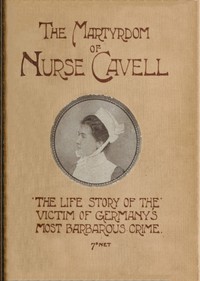
The martyrdom of Nurse Cavell: The life story of the victim of Germany's most barbarous crime
Written by William Thomson Hill
Chaptra reads alongside you — AI insights, chapter breakdowns and reader discussions for every book. Join free
About this book
Reading guide
Themes, characters and key ideas in The martyrdom of Nurse Cavell: The life story of the victim of Germany's most barbarous crime, written by Chaptra AI.
- about 8 hours
- intermediate
- somber
- tragic
- inspiring
William Thomson Hill's "The Martyrdom of Nurse Cavell" provides an early 20th-century historical account of Edith Cavell, a British nurse executed by German authorities during World War I. The book chronicles her life, her unwavering dedication to nursing and humanitarian aid in occupied Brussels, and the fateful decision to assist Allied soldiers in escaping, regardless of their nationality. Hill meticulously details her arrest, secret court-martial, and swift execution, portraying it as a barbarous crime that transcended military necessity. The narrative explores profound themes of patriotism, sacrifice, and the moral imperative of compassion amidst war, ultimately highlighting how Cavell's death galvanized international outrage and support for the Allied cause.
“"Patriotism is not enough. I must have no hatred or bitterness towards anyone." (Attributed to Edith Cavell, though not necessarily a direct quote from Hill's book, it embodies the central theme and is historically associated with her final words.)”
Key themes
- Patriotism vs. Humanity/Duty
- This is the central thematic conflict of the book. Cavell, a British national, operates a hospital in German-occupied Belgium, treating all wounded soldiers regardless of nationality. Her decision to aid Allied soldiers in escaping, while seen as treason by the Germans, is framed by Hill as an act of universal compassion, transcending national allegiances. The book argues that her duty to humanity outweighed her duty to any single nation, challenging the narrow confines of wartime patriotism.
- Sacrifice and Courage
- The book deeply explores Cavell's personal courage and ultimate sacrifice. Her decision to remain in Brussels, her unwavering commitment to her patients, and her willingness to face the consequences of her actions—even death—are central to the narrative. Her sacrifice is portrayed not as a defeat, but as a profound moral victory and an act of inspiring heroism that resonated globally.
- Injustice and War Crimes
- Hill frames Cavell's execution as a 'barbarous crime,' highlighting the severe injustice of her trial and sentence. The book criticizes the German military's rigid application of law without mercy or consideration for humanitarian principles, arguing that her execution transcended military necessity and constituted a moral outrage. It serves as a stark reminder of the potential for grave injustices during wartime.
Worth discussing
How does the book explore the tension between national loyalty (patriotism) and universal humanitarian duty during wartime?
Chapter-by-chapter breakdowns, character arcs and the full thematic analysis come with a free account.
Discussions
No one has started one yet
Questions this book opens up
No discussions yet
Be the first to start a discussion about this book!
Sign up to start the discussionReviews
No reviews yet
Be the first to review this book!