
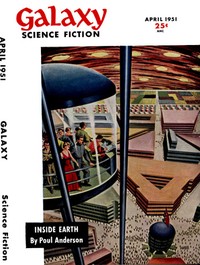
The Marching Morons
Written by C. M. (Cyril M.) Kornbluth
Chaptra reads alongside you — AI insights, chapter breakdowns and reader discussions for every book. Join free
About this book
Reading guide
Themes, characters and key ideas in The Marching Morons, written by Chaptra AI.
- about 8 hours
- intermediate
- dystopian
- satirical
- cynical
C. M. Kornbluth's "The Marching Morons" is a biting science fiction novella that presents a dystopian future where humanity has succumbed to widespread anti-intellectualism and overpopulation, resulting in an average IQ of 45. The story follows Honest John Barlow, a man from the 20th century revived from suspended animation, who is shocked by the intellectual decay of society and the plight of the intelligent minority. Seizing an opportunity for power, Barlow devises a cynical yet effective plan to manipulate the ignorant masses for his own gain, while inadvertently addressing the societal crisis. Through this dark satire, Kornbluth critiques the dangers of cultural stagnation and the potential consequences of unchecked demographic trends, forcing readers to confront uncomfortable questions about intelligence and social responsibility.
“"The genius of the human race has been bred out of it."”
Key themes
- Social Decline and Anti-intellectualism
- The central theme exploring how a society can degrade when intelligence is devalued and ignorance proliferates. Kornbluth attributes this decline to differential birth rates, where the less intelligent reproduce more frequently, leading to a genetic 'dumbing down' of the population. The story vividly portrays the practical implications of this decline, from technological maintenance issues to the complete inability of the majority to engage in critical thought.
- Overpopulation and Resource Scarcity
- A foundational issue driving the plot, overpopulation is presented as a dire consequence of unchecked reproduction, particularly among the less intelligent. The sheer number of people, combined with their low intellectual capacity, creates an unsustainable burden on the planet's resources and the intelligent minority tasked with managing it.
- The Ethics of Social Engineering and Manipulation
- The novella delves into the moral complexities of manipulating a population for a perceived greater good. Barlow's plan, while solving the immediate crisis, involves mass deception and a form of euthanasia, raising profound ethical questions about the right to self-determination versus the survival of society.
Worth discussing
To what extent is Kornbluth's premise about differential birth rates a plausible threat to society? What contemporary parallels, if any, can be drawn?
Chapter-by-chapter breakdowns, character arcs and the full thematic analysis come with a free account.
Discussions
No one has started one yet
Questions this book opens up
No discussions yet
Be the first to start a discussion about this book!
Sign up to start the discussionReviews
No reviews yet
Be the first to review this book!