
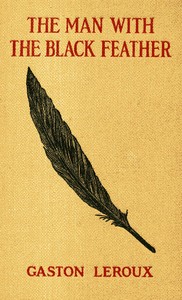
The Man with the Black Feather
Written by Gaston Leroux
Chaptra reads alongside you — AI insights, chapter breakdowns and reader discussions for every book. Join free
About this book
Reading guide
Themes, characters and key ideas in The Man with the Black Feather, written by Chaptra AI.
- about 8 hours
- intermediate
- Mysterious
- Historical
- Psychological
Gaston Leroux's "The Man with the Black Feather" plunges the timid rubber stamp manufacturer, M. Theophrastus Longuet, into an extraordinary journey of self-discovery and historical mystery. Upon receiving a mysterious sandalwood box containing ancient manuscripts, Theophrastus begins to experience an inexplicable connection to an 18th-century past, particularly during a visit to the historical Conciergerie prison. This leads him to grapple with the reality of reincarnation, as his present life intertwines with the thrilling secrets and buried treasures of a man from the French Revolution era. The novel unfolds as a thrilling exploration of identity, memory, and the enduring power of history to shape the present.
“"It was as if a voice from centuries past had found its way through the very stones of the Conciergerie, choosing me as its unwilling conduit."”
Key themes
- Identity and Reincarnation
- This is the central theme, exploring what constitutes an individual's identity and whether it can transcend physical death and time. The novel delves into the philosophical and psychological implications of a past life influencing or even merging with a present one, challenging conventional notions of selfhood.
- The Past Haunting the Present
- The novel powerfully illustrates how historical events, secrets, and individual lives from previous centuries can profoundly impact and shape the present. It suggests that history is not merely a bygone era but an active force that continues to exert influence, demanding to be acknowledged and understood.
- Mystery and Investigation
- At its core, the book is a thrilling mystery, driven by the protagonist's need to piece together fragmented clues to understand a complex historical puzzle. The investigation is not only external (the search for treasures and facts) but also internal, as Theophrastus investigates the mystery of his own changing identity.
Worth discussing
How does Leroux use the concept of reincarnation to explore the nature of identity? Do you find Theophrastus's transformation believable?
Chapter-by-chapter breakdowns, character arcs and the full thematic analysis come with a free account.
Discussions
No one has started one yet
Questions this book opens up
No discussions yet
Be the first to start a discussion about this book!
Sign up to start the discussionReviews
No reviews yet
Be the first to review this book!