
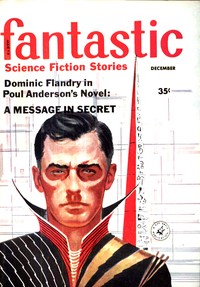
The man who was pale
Written by Jack Sharkey
Chaptra reads alongside you — AI insights, chapter breakdowns and reader discussions for every book. Join free
About this book
Reading guide
Themes, characters and key ideas in The man who was pale, written by Chaptra AI.
- about 8 hours
- intermediate
- mysterious
- eerie
- darkly humorous
Jack Sharkey's "The Man Who Was Pale" is a chilling yet darkly humorous short story from the late 1950s, featuring the anxious landlady Mrs. Tibbets and her enigmatic tenant, Vandor Thobal. Mrs. Tibbets's escalating concern over Thobal's peculiar habits, unnerving paleness, and a mysterious wooden box leads her to investigate, driven by a blend of maternal worry and growing dread. As strange health crises plague the neighborhood, Mrs. Tibbets uncovers Thobal's unearthly secret, revealing his true, predatory nature. The story culminates in a startling and unsettling climax, blending horror with a distinctive, macabre wit.
“"That poor dear man, so pale. I simply must do something to put some color back into his cheeks."”
Key themes
- Fear of the Unknown
- This theme explores humanity's primal fear of what lies beyond our understanding and perception. Mrs. Tibbets's initial concern for Thobal morphs into deep dread as his peculiarities defy rational explanation, tapping into the unsettling idea that true evil can hide in plain sight or operate outside the bounds of human logic.
- Curiosity and its Consequences
- The story directly examines the double-edged sword of curiosity. Mrs. Tibbets's well-meaning but persistent prying leads her to uncover the truth, but at a potentially devastating cost. It highlights how an insatiable desire for knowledge, especially concerning the forbidden or dangerous, can lead to personal peril and irreversible revelations.
- Appearance vs. Reality
- This theme is central to the story's horror, as Thobal's outwardly frail or sickly appearance masks a terrifying and powerful reality. The deceptive nature of his demeanor plays on Mrs. Tibbets's preconceptions and allows him to operate undetected, highlighting how easily we can be fooled by surface impressions.
Worth discussing
How does Mrs. Tibbets's 'kind-hearted' nature contribute to, or complicate, the horror of the story?
Chapter-by-chapter breakdowns, character arcs and the full thematic analysis come with a free account.
Discussions
No one has started one yet
Questions this book opens up
No discussions yet
Be the first to start a discussion about this book!
Sign up to start the discussionReviews
No reviews yet
Be the first to review this book!