
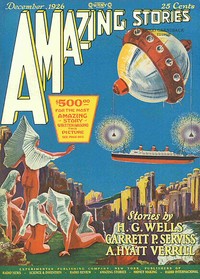
The Man Higher Up
Written by Edwin Balmer,William MacHarg
Chaptra reads alongside you — AI insights, chapter breakdowns and reader discussions for every book. Join free
About this book
Reading guide
Themes, characters and key ideas in The Man Higher Up, written by Chaptra AI.
- about 8 hours
- intermediate
- mysterious
- suspenseful
- dark
Set against the backdrop of a New York blizzard in the early 20th century, "The Man Higher Up" introduces Luther Trant, a pioneering psychological detective. He is enlisted by Treasury agent Rentland to unravel the mysterious deaths of two dock checkers, leading him into the dark heart of the corrupt American Commodities Company. Trant employs innovative psychological techniques to expose a sophisticated network of customs fraud, manipulated weight scales, and murder, all orchestrated by the company's president, Welter. The novel masterfully blends suspense and psychological intrigue with a pointed critique of corporate malfeasance, highlighting themes of justice, morality, and the hidden depths of criminal enterprise. It stands as an important early example of scientific detective fiction, pushing the boundaries of the genre beyond mere deduction.
“"The human mind, Rentland, is often a more reliable witness than the most carefully placed fingerprint. It leaves impressions not on glass, but on behavior."”
Key themes
- Justice vs. Corruption
- This is the central conflict of the novel, pitting the relentless pursuit of justice by Trant and Rentland against the deep-seated, systemic corruption within a powerful corporation. The theme explores how corruption can permeate institutions, hide behind respectability, and lead to heinous crimes like murder, while justice, though difficult to achieve, ultimately prevails through intellect and perseverance.
- Psychology and Detection
- The novel is pioneering in its exploration of psychology as a forensic tool. Luther Trant's methods, which involve analyzing behavior, motivations, and even the subtle tells of the human mind, elevate detective work beyond mere physical evidence. This theme highlights the emerging scientific understanding of the mind in the early 20th century and its practical application in solving complex crimes.
- Corporate Ethics and Power
- The book critically examines the moral landscape of corporate power, specifically how a large, seemingly legitimate entity like the American Commodities Company can become a vehicle for vast criminal enterprises. It questions the ethics of profit-driven motives when unchecked and explores how individuals in positions of power can abuse their authority, believing themselves to be above the law, thereby corrupting the very fabric of society.
Worth discussing
How does Luther Trant's psychological approach differ from other famous detectives of the era, and what makes it groundbreaking?
Chapter-by-chapter breakdowns, character arcs and the full thematic analysis come with a free account.
Discussions
No one has started one yet
Questions this book opens up
No discussions yet
Be the first to start a discussion about this book!
Sign up to start the discussionReviews
No reviews yet
Be the first to review this book!