
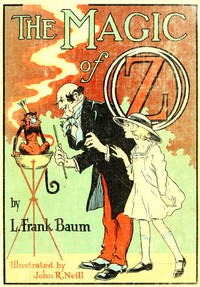
The Magic of Oz
Written by L. Frank (Lyman Frank) Baum
Chaptra reads alongside you — AI insights, chapter breakdowns and reader discussions for every book. Join free
About this book
Reading guide
Themes, characters and key ideas in The Magic of Oz, written by Chaptra AI.
- about 8 hours
- intermediate
- whimsical
- adventurous
- humorous
L. Frank Baum's "The Magic of Oz" transports readers back to the enchanting Land of Oz, where a seemingly innocent birthday quest for Princess Ozma intertwines with a formidable threat to the entire kingdom. The story centers on Kiki Aru, a Hyup boy who discovers a powerful, transformative magic word, and his unwitting alliance with the deposed and vengeful Nome King, Ruggedo. As Kiki recklessly experiments with his newfound power, turning himself and others into various forms, Dorothy, the Wizard, Trot, and Cap'n Bill embark on a quest to find the perfect surprise gift for Ozma, setting the stage for a clash between good-hearted intentions and malicious ambition. The narrative skillfully weaves together elements of humor, peril, and the enduring themes of friendship, responsibility, and the consequences of unchecked power, culminating in a magical resolution that reaffirms the values of Oz.
“"A magic word is a wonderful thing, but it takes a wise head to use it properly."”
Key themes
- The Responsibility of Power (Magic)
- This theme is central to Kiki Aru's character arc. His discovery of the magic word 'Pyrzqxgl' grants him immense power to transform anything, but his initial lack of wisdom and ethical guidance leads to reckless and harmful actions. The narrative strongly emphasizes that power, especially magic, must be wielded with responsibility, foresight, and consideration for others. Kiki's journey serves as a cautionary tale against the misuse of extraordinary abilities for selfish desires or mischievous ends, highlighting the chaotic consequences that ensue when power is unchecked.
- Friendship and Loyalty
- As in all Oz books, friendship and loyalty are foundational to the narrative. The bond between Dorothy, the Wizard, Trot, Cap'n Bill, and their unwavering dedication to Princess Ozma drives their actions and provides the emotional core of the story. Their quest for Ozma's birthday gift is an act of love and camaraderie, and their collective efforts to thwart Ruggedo's plot demonstrate the strength that comes from unity and mutual support. Even Kiki Aru's eventual redemption is facilitated by the kindness and understanding offered by Oz's loyal inhabitants.
- Appearance vs. Reality / Transformation
- The concept of transformation is not just a plot device but a profound thematic element. Kiki's magic allows characters to change their physical appearance, raising questions about identity, essence, and the superficiality of outward form. While many transformations are humorous, some are frightening or disorienting, forcing characters and readers to consider what truly defines a being beyond their physical shape. It explores whether changing one's form also changes one's nature, or if the inner self remains constant, regardless of the outer shell.
Worth discussing
How does Kiki Aru's journey illustrate the concept of responsibility that comes with great power?
Chapter-by-chapter breakdowns, character arcs and the full thematic analysis come with a free account.
Discussions
No one has started one yet
Questions this book opens up
No discussions yet
Be the first to start a discussion about this book!
Sign up to start the discussionReviews
No reviews yet
Be the first to review this book!