
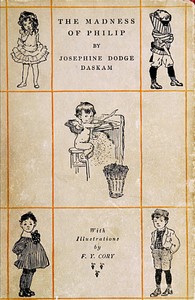
The Madness of Philip, and Other Tales of Childhood
Written by Josephine Daskam Bacon
Chaptra reads alongside you — AI insights, chapter breakdowns and reader discussions for every book. Join free
About this book
Reading guide
Themes, characters and key ideas in The Madness of Philip, and Other Tales of Childhood, written by Chaptra AI.
- about 8 hours
- intermediate
- humorous
- nostalgic
- lighthearted
Josephine Dodge Daskam Bacon's "The Madness of Philip, and Other Tales of Childhood" is a charming collection from the early 20th century, offering a humorous and insightful look into the vivid world of young children. The book primarily focuses on the adventures, mischief, and social interactions of imaginative youngsters, particularly within a kindergarten setting. The titular opening tale introduces Philip, a spirited and often chaotic boy whose playful antics disrupt his classroom and inadvertently stir tensions among his peers like Joseph Zukoffsky and Marantha Judd. Through Philip's experiences, the collection explores the universal challenges of early childhood, including sibling rivalry, social dynamics, and the boundless energy that often leads to misunderstandings, all while capturing the innocent yet tumultuous nature of youthful emotions.
“"Philip's madness was not a malady, but a magnificent, untamed spirit, determined to bend the world to its own delightful chaos."”
Key themes
- The Nature of Childhood and Innocence
- This theme explores the inherent characteristics of early childhood: boundless energy, vivid imagination, naive curiosity, and intense yet fleeting emotions. The book portrays childhood as a period of exploration and learning, where mischief is often born of innocence rather than malice, and where the world is perceived through a lens of wonder and immediate sensation. It emphasizes the unique logic and emotional landscape of young children.
- Social Dynamics and Conformity
- The book delves into the early stages of social interaction among children, exploring how individuals navigate group settings, the challenges of conformity, and the impact of one child's behavior on others. It illustrates the formation of friendships, rivalries, and the unspoken rules that govern a child's social world, particularly within the structured environment of a kindergarten.
- The Challenges of Education and Parenting
- This theme explores the adult perspective on managing and nurturing young children, particularly those with strong personalities like Philip. It showcases the patience, resourcefulness, and occasional frustration experienced by teachers and parents as they attempt to guide children, instill discipline, and foster learning within a playful and often chaotic environment. It also touches on the balance between allowing creativity and maintaining order.
Worth discussing
How does Josephine Daskam Bacon portray the concept of 'madness' in childhood, particularly through Philip's character? Is it a positive or negative trait?
Chapter-by-chapter breakdowns, character arcs and the full thematic analysis come with a free account.
Discussions
No one has started one yet
Questions this book opens up
No discussions yet
Be the first to start a discussion about this book!
Sign up to start the discussionReviews
No reviews yet
Be the first to review this book!