
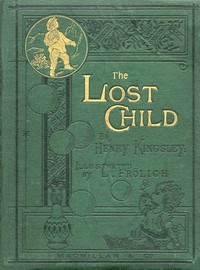
The Lost Child
Written by Henry Kingsley
Chaptra reads alongside you — AI insights, chapter breakdowns and reader discussions for every book. Join free
About this book
Reading guide
Themes, characters and key ideas in The Lost Child, written by Chaptra AI.
- about 5 hours
- intermediate
- tragic
- poignant
- melancholic
Henry Kingsley's "The Lost Child" is a poignant late 19th-century novel set in the Australian wilderness, exploring the tragic intersection of childhood innocence and the untamed natural world. The narrative centers on a young, adventurous boy named Finn who, driven by curiosity and a desire to explore beyond his home, disregards his mother's warnings and ventures into a forbidden forest across a river. His journey quickly turns perilous as he becomes lost in the dense bush, prompting a desperate search by two young men, Sam and Cecil. The story culminates in a tragic discovery of the boy's lifeless body, emphasizing the stark realities of mortality and the unforgiving nature of the wild, even for the most innocent.
“"The river called him, not with a whisper, but a song of untold wonders beyond the forbidden trees."”
Key themes
- Childhood Innocence vs. Peril
- This theme explores the inherent wonder and curiosity of childhood, juxtaposed against the dangerous realities of the world. The boy's innocent desire to explore leads him into a perilous situation, ultimately culminating in his death, highlighting how innocence offers no immunity from the harshness of nature or mortality.
- Nature vs. Civilization
- The novel explicitly contrasts the safety and order of the boy's home (civilization) with the untamed, unpredictable, and ultimately lethal Australian wilderness (nature). The mother's warnings represent civilization's attempt to impose order and safety, while the bush represents an ancient, indifferent power that human constructs cannot control.
- Mortality and Loss
- The tragic climax of the story, the discovery of the boy's lifeless body, brings the theme of mortality and loss to the forefront. It's a stark reminder of the fragility of life, the inevitability of death, and the profound grief that accompanies the premature loss of a loved one, especially a child. The novel doesn't shy away from the pain and finality of death.
Worth discussing
How does Kingsley use the Australian wilderness as both a source of wonder and a force of peril in the novel?
Chapter-by-chapter breakdowns, character arcs and the full thematic analysis come with a free account.
Discussions
No one has started one yet
Questions this book opens up
No discussions yet
Be the first to start a discussion about this book!
Sign up to start the discussionReviews
No reviews yet
Be the first to review this book!