
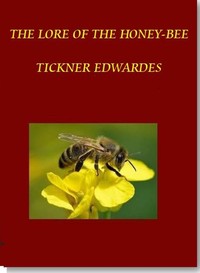
The Lore of the Honey-Bee
Written by Tickner Edwardes
Chaptra reads alongside you — AI insights, chapter breakdowns and reader discussions for every book. Join free
About this book
Reading guide
Themes, characters and key ideas in The Lore of the Honey-Bee, written by Chaptra AI.
- about 10 hours
- intermediate
- informative
- contemplative
- historical
Tickner Edwardes's "The Lore of the Honey-Bee" is an exhaustive early 20th-century exploration of apiculture, weaving together the rich tapestry of honey bee history, mythology, and scientific understanding. The book posits beekeeping as perhaps humanity's oldest enterprise, predating agriculture and animal domestication, and traces the bee's integral role in human culture from ancient fables, like that of Melissa and infant Jupiter, to contemporary practices. Edwardes systematically examines the evolution of human interaction with bees, advocating for systematic beekeeping while delving into the bees' complex social structures and their enduring significance to both human civilization and the natural world. It serves as both a historical record and a call for deeper appreciation of these vital insects.
“"To understand the honey-bee is to touch the very pulse of creation, for in its tiny frame reside the echoes of ancient myths and the blueprints of nature's most perfect society."”
Key themes
- The Interconnectedness of Humanity and Nature
- This theme explores how honey bees are not merely insects but are deeply intertwined with human history, culture, and survival. Edwardes demonstrates how bees have influenced human mythology, agriculture, economy, and even our understanding of social organization, highlighting a symbiotic relationship that has existed for millennia.
- The Wisdom and Complexity of the Natural World
- Edwardes marvels at the intricate social structure, communication, and industriousness of the bee colony. This theme celebrates the inherent intelligence and sophisticated organization found in nature, often presenting it as a model for human societies. It emphasizes the deep, instinctual wisdom that guides the natural world.
- The Evolution of Human Knowledge and Craft
- This theme traces humanity's journey from superstitious awe and crude honey-gathering to systematic, scientific beekeeping. Edwardes highlights the progression of human understanding, from ancient mythological explanations to more empirical observations and technological advancements in apiculture, reflecting broader intellectual development.
Worth discussing
How does Edwardes blend mythological narratives with scientific observations to create a comprehensive understanding of the honey bee?
Chapter-by-chapter breakdowns, character arcs and the full thematic analysis come with a free account.
Discussions
No one has started one yet
Questions this book opens up
No discussions yet
Be the first to start a discussion about this book!
Sign up to start the discussionReviews
No reviews yet
Be the first to review this book!