
About this book
Reading guide
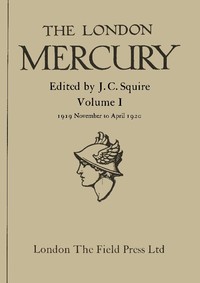
Themes, characters and key ideas in The London Mercury, Vol. I, Nos. 1-6, November 1919 to April 1920, written by Chaptra AI.
- about 8 hours
- advanced
- intellectual
- reflective
- critical
"The London Mercury, Vol. I, Nos. 1-6," spanning November 1919 to April 1920, is a foundational collection of a prominent literary journal published in post-World War I Britain. Edited by J.C. Squire, this volume encapsulates the journal's ambitious mission to foster literary culture by blending traditional criticism with original creative works across literature, fine arts, music, and drama. It serves as a vital platform for diverse voices reflecting on the cultural landscape, navigating the challenges of a society emerging from crisis. The collection articulates a commitment to upholding robust literary traditions while embracing innovation, making it a crucial document for understanding early 20th-century literary discourse and the evolving role of the arts.
“"The necessity for a periodical that combines critical reviews, original works, and essays on the arts, aiming to uphold and promote the values of creativity and culture, is more pressing than ever."”
Key themes
- Cultural Resilience and Recovery
- This theme explores how literature and the arts serve as a means of recovery and rebuilding in the aftermath of a major crisis like World War I. The journal itself is presented as an 'essential act of resilience and intellect,' striving to maintain and promote cultural values amidst societal challenges. It reflects a collective effort to find meaning and beauty in a world scarred by conflict.
- Tradition vs. Innovation in Literature
- The journal navigates the complex relationship between preserving established literary traditions and embracing new forms, styles, and ideas emerging in the early 20th century. It aims to 'maintain a robust literary tradition while embracing innovation,' reflecting the ongoing debates between conservative literary values and the burgeoning Modernist movement.
- The Role and Importance of Literary Criticism
- This theme highlights the journal's commitment to serious, informed critical assessment as a cornerstone of literary culture. It argues for the necessity of a periodical that combines original works with 'critical reviews' to guide readers, evaluate artistic merit, and stimulate intellectual discourse, thereby shaping public taste and understanding.
Worth discussing
How does "The London Mercury" define the role of literature and the arts in a post-war society?
Chapter-by-chapter breakdowns, character arcs and the full thematic analysis come with a free account.
Discussions
No one has started one yet
Questions this book opens up
No discussions yet
Be the first to start a discussion about this book!
Sign up to start the discussionReviews
No reviews yet
Be the first to review this book!