
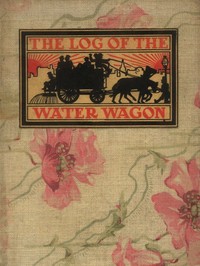
The Log of the Water Wagon; or, The Cruise of the Good Ship "Lithia"
Written by Bert Leston Taylor,W. C. (William Curtis) Gibson
Chaptra reads alongside you — AI insights, chapter breakdowns and reader discussions for every book. Join free
About this book
Reading guide
Themes, characters and key ideas in The Log of the Water Wagon; or, The Cruise of the Good Ship "Lithia", written by Chaptra AI.
- about 8 hours
- intermediate
- humorous
- satirical
- whimsical
“The Log of the Water Wagon; or, The Cruise of the Good Ship 'Lithia'” by Bert Leston Taylor and W. C. Gibson is an early 20th-century satirical novel that humorously explores the theme of temperance. Presented as a logbook, the narrative follows a lone sober passenger aboard the fictitious Good Ship Lithia, embarking on a 'dry cruise' with a cast of comical, teetotaling characters. The story unfolds through a series of absurd misadventures, including amusing mutinies, thirst-induced chaos, and peculiar attempts at a 'water cure.' Ultimately, the book uses wit and farcical situations to entertain while subtly commenting on societal attitudes toward alcohol and the challenges of maintaining abstinence, culminating in a ludicrous, yet insightful, ending.
“Another day logged, another drop of resolve gained... or perhaps, simply postponed.”
Key themes
- Temperance and Abstinence
- The central theme of the book, explored through the lens of a 'dry cruise.' It satirizes the temperance movement while subtly advocating for its principles by showcasing the follies and challenges faced by those attempting to abstain from alcohol. The narrative highlights both the virtue and the difficulty of maintaining resolve.
- Human Folly and Temptation
- The book brilliantly exposes the inherent human tendency towards folly and the pervasive nature of temptation, even in a controlled environment. Characters' struggles with sobriety reveal their weaknesses, their rationalizations, and their often-comical attempts to circumvent rules, highlighting universal aspects of human nature.
- Satire and Social Commentary
- The entire narrative serves as a satirical commentary on the social and cultural attitudes surrounding alcohol consumption and the temperance movement in the early 20th century. Through exaggeration, caricature, and irony, the authors critique both the excesses of indulgence and the sometimes-absurd zealotry of prohibition, advocating for a balanced perspective through humor.
Worth discussing
How does the book's satirical approach to temperance compare to more direct or preachy advocacy methods? Which is more effective, and why?
Chapter-by-chapter breakdowns, character arcs and the full thematic analysis come with a free account.
Discussions
No one has started one yet
Questions this book opens up
No discussions yet
Be the first to start a discussion about this book!
Sign up to start the discussionReviews
No reviews yet
Be the first to review this book!