
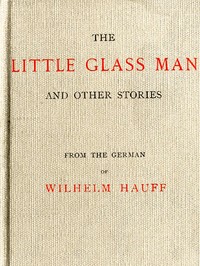
The Little Glass Man, and Other Stories
Written by Wilhelm Hauff
Chaptra reads alongside you — AI insights, chapter breakdowns and reader discussions for every book. Join free
About this book
Reading guide
Themes, characters and key ideas in The Little Glass Man, and Other Stories, written by Chaptra AI.
- about 8 hours
- intermediate
- mysterious
- cautionary
- adventurous
Wilhelm Hauff's "The Little Glass Man, and Other Stories" is a collection of early 19th-century German fairy tales, masterfully blending fantasy with profound moral lessons. The titular story follows Peter Munk, a discontented charcoal-burner, whose insatiable yearning for wealth leads him to seek the magical aid of both the benevolent Little Glass Man and the malevolent Dutch Michel. Through Peter's transformative journey, the narrative explores the perilous consequences of greed, the true nature of happiness, and the profound importance of identity and a compassionate heart. This collection serves as both an enchanting adventure and a cautionary tale, reflecting timeless truths about human ambition and redemption.
“"Poor Peter Munk! You have eyes and ears, but a cold heart. Look around, and you will see that true happiness does not lie in gold and silver."”
Key themes
- Greed and Materialism
- This is the central theme, explored through Peter Munk's insatiable desire for wealth and status. It illustrates how the pursuit of material possessions can corrupt the soul, blind one to true happiness, and lead to moral decay and cruelty. The story vividly depicts the emptiness of riches obtained at the cost of one's humanity.
- True Happiness vs. False Wealth
- The story directly contrasts the fleeting satisfaction of material wealth with the enduring joy derived from compassion, love, community, and contentment. Peter's journey demonstrates that true happiness cannot be bought or wished for, but must be cultivated through moral choices and genuine human connection.
- Consequences of Choices
- The narrative is a strong proponent of moral accountability, demonstrating that every choice, particularly those driven by selfishness, carries significant and often dire consequences. Peter's decisions to waste wishes, to seek wealth from Dutch Michel, and to sacrifice his heart directly lead to his suffering and moral degradation. His eventual redemption is also a consequence of his conscious choice to seek forgiveness and change.
Worth discussing
How does Hauff use the fantastical elements of the Little Glass Man and Dutch Michel to explore human morality?
Chapter-by-chapter breakdowns, character arcs and the full thematic analysis come with a free account.
Discussions
No one has started one yet
Questions this book opens up
No discussions yet
Be the first to start a discussion about this book!
Sign up to start the discussionReviews
No reviews yet
Be the first to review this book!