
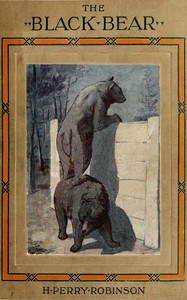
The Life Story of a Black Bear
Written by Harry Perry Robinson
Chaptra reads alongside you — AI insights, chapter breakdowns and reader discussions for every book. Join free
About this book
Reading guide
Themes, characters and key ideas in The Life Story of a Black Bear, written by Chaptra AI.
- about 8 hours
- intermediate
- melancholy
- foreboding
- poignant
Harry Perry Robinson's "The Life Story of a Black Bear" is an early 20th-century narrative that intimately portrays the life of Wahka, a black bear, from his carefree cubhood in the Rocky Mountains. The story initially revels in the idyllic wilderness and the innocent joys of Wahka and his sister Kahwa, but this tranquility is soon disrupted by the growing presence of humans. As the narrative progresses, it chronicles Wahka's journey through a changing world, highlighting the dangers and tragedies brought by human encroachment. The book serves as a poignant exploration of survival, the loss of natural habitats, and the profound impact of civilization on wildlife, setting a tone of impending peril against a backdrop of once-pristine nature.
“The world, once a boundless playground, now whispered of shadows and the scent of man.”
Key themes
- Human Encroachment and Environmental Impact
- This is the central theme, exploring how the expansion of human civilization directly impacts and threatens natural habitats and wildlife. The book illustrates the destructive consequences of human activity, from habitat loss to direct threats like hunting, on the lives of animals.
- Loss of Innocence and the Wild
- This theme explores the transition from a state of natural harmony and youthful ignorance to one of harsh reality and constant vigilance. It applies both to Wahka's personal journey from a playful cub to a survival-focused bear, and to the wilderness itself, which loses its pristine, untouched quality.
- Survival and Adaptation
- At its core, the book is a story of an individual's struggle for existence in an increasingly hostile environment. It highlights the innate resilience and instinctual behaviors of animals, showing how Wahka must learn to adapt his strategies and behaviors to navigate the new dangers presented by humans.
Worth discussing
How does the anthropomorphic perspective of Wahka enhance or detract from the book's message about wildlife?
Chapter-by-chapter breakdowns, character arcs and the full thematic analysis come with a free account.
Discussions
No one has started one yet
Questions this book opens up
No discussions yet
Be the first to start a discussion about this book!
Sign up to start the discussionReviews
No reviews yet
Be the first to review this book!