
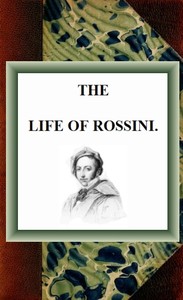
The Life of Rossini
Written by H. Sutherland (Henry Sutherland) Edwards
Chaptra reads alongside you — AI insights, chapter breakdowns and reader discussions for every book. Join free
About this book
Reading guide
Themes, characters and key ideas in The Life of Rossini, written by Chaptra AI.
- about 8 hours
- intermediate
- informative
- historical
- analytical
H. Sutherland Edwards' "The Life of Rossini" offers a comprehensive biographical exploration of the influential Italian composer Gioachino Rossini. Written in the late 19th century, the book chronicles Rossini's remarkable journey from his early musical experiences and swift ascent to fame to his significant contributions and lasting impact on the operatic genre. Edwards delves into Rossini's unique artistic style, his innovative reforms in both serious and comic opera, and the cultural milieu that shaped his career. The narrative emphasizes Rossini as a pivotal figure whose personal experiences and profound musical talent irrevocably altered the course of Italian opera, securing his legacy as a master composer.
“"Rossini, with a facility almost unprecedented, seemed to pluck melodies from the air, shaping them into forms that captivated the entire continent."”
Key themes
- The Nature of Artistic Genius
- The biography extensively explores what constitutes artistic genius through the lens of Rossini's life and work. It highlights his innate talent, his prolific output, and his ability to innovate and captivate audiences, positioning him as a natural, almost effortless, master of his craft. Edwards delves into how Rossini's unique approach to melody, harmony, and dramatic structure set him apart.
- Innovation vs. Tradition in Opera
- The book meticulously details how Rossini both embraced and challenged the operatic traditions of his time. He was a master of the bel canto style but also introduced significant reforms, particularly in his approach to vocal ornamentation, ensemble writing, and the role of the orchestra. This theme examines the dynamic tension between respecting established forms and pushing artistic boundaries.
- Legacy and Enduring Influence
- A significant underlying theme is the lasting impact of Rossini's work on subsequent generations of composers and on the development of opera itself. Edwards consistently highlights how Rossini's innovations and masterpieces laid groundwork for future musical trends, ensuring his place in the pantheon of great composers. The biography implicitly argues for the timeless quality of true artistic achievement.
Worth discussing
How does Edwards portray Rossini's 'genius,' and what specific examples from the book illustrate this portrayal?
Chapter-by-chapter breakdowns, character arcs and the full thematic analysis come with a free account.
Discussions
No one has started one yet
Questions this book opens up
No discussions yet
Be the first to start a discussion about this book!
Sign up to start the discussionReviews
No reviews yet
Be the first to review this book!