
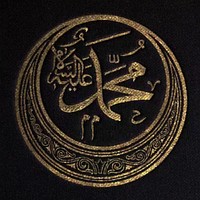
The Life of Mohammad, the Prophet of Allah
Written by Sliman Ben Ibrahim,Etienne Dinet
Chaptra reads alongside you — AI insights, chapter breakdowns and reader discussions for every book. Join free
About this book
Reading guide
Themes, characters and key ideas in The Life of Mohammad, the Prophet of Allah, written by Chaptra AI.
- about 10 hours
- intermediate
- Reverent
- Historical
- Informative
“The Life of Mohammad, the Prophet of Allah” by Etienne Dinet and Sliman Ben Ibrahim is a late 19th-century historical biography that meticulously chronicles the life and mission of the Prophet Mohammad. Beginning with his birth and early life in Mecca, the work explores the foundational events leading to his prophethood and the initial development of Islam. The authors aim to present a reverential account, highlighting Mohammad's virtues, profound influence, and the intricate socio-religious landscape of 7th-century Arabia. Through vivid descriptions of rituals, economic conditions, and miraculous occurrences, the book seeks to illuminate how his early experiences shaped his destiny as a spiritual and temporal leader, underscoring his enduring contributions to humanity.
“From his earliest days, the light of prophecy shone upon him, a beacon for humanity, destined to guide nations.”
Key themes
- Prophethood and Divine Revelation
- This theme explores the concept of Mohammad as a divinely chosen messenger, focusing on the miraculous nature of his revelations and the profound impact they had on him and the world. It delves into the spiritual journey of a man called to communicate God's message.
- Moral and Ethical Leadership
- The book highlights Mohammad's exemplary character and virtues, presenting him as a moral compass for his community. This theme explores how his personal integrity, justice, and compassion formed the foundation for the ethical principles of Islam and guided his leadership.
- The Socio-Religious Context of Pre-Islamic Arabia
- This theme details the complex tribal society, pagan beliefs, and economic structures of 7th-century Mecca and its surroundings. It explains the environment into which Islam was born, providing crucial context for understanding the challenges Mohammad faced and the revolutionary nature of his message.
Worth discussing
How does the collaborative authorship (Dinet and Ben Ibrahim) influence the tone and perspective of the biography?
Chapter-by-chapter breakdowns, character arcs and the full thematic analysis come with a free account.
Discussions
No one has started one yet
Questions this book opens up
No discussions yet
Be the first to start a discussion about this book!
Sign up to start the discussionReviews
No reviews yet
Be the first to review this book!