
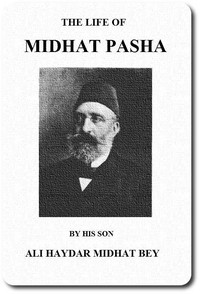
The life of Midhat Pasha; a record of his services, political reforms, banishment, and judicial murder
Written by Ali Haydar Mithat
Chaptra reads alongside you — AI insights, chapter breakdowns and reader discussions for every book. Join free
About this book
Reading guide
Themes, characters and key ideas in The life of Midhat Pasha; a record of his services, political reforms, banishment, and judicial murder, written by Chaptra AI.
- about 12 hours
- advanced
- tragic
- historical
- somber
Ali Haydar Midhat Bey's "The Life of Midhat Pasha" is a poignant historical biography that chronicles the tumultuous career of his father, Midhat Pasha, a pivotal reformer in the late Ottoman Empire. The book details Midhat Pasha's significant contributions to political reform, often battling against the autocratic tendencies of the era, particularly under Sultan Abdul Hamid II. It culminates in his tragic downfall, marked by banishment and a politically motivated judicial murder. Written from a deeply personal perspective, the author aims to vindicate his father's legacy, offering an intimate account of the political machinations and personal hardships endured by Midhat Pasha and his family.
“"It is not merely a son's duty to clear his father's name, but a historical imperative to reveal the truth behind the shadows of oppression."”
Key themes
- Political Reform vs. Despotism
- This is the central conflict of the book, showcasing Midhat Pasha's tireless efforts to modernize the Ottoman political structure and introduce constitutionalism against the backdrop of Sultan Abdul Hamid II's increasingly autocratic rule. It explores the inherent tension between progressive governance and entrenched authoritarianism.
- Justice and Injustice
- The book is driven by Ali Haydar's quest for justice for his father, who he believes was unjustly condemned and murdered. It highlights the profound injustice of Midhat Pasha's trial and execution, presenting it as a politically motivated act rather than a legitimate legal process. This theme explores the corruption of legal systems under despotism.
- Legacy and Historical Truth
- A core motivation for the author is to preserve and correct Midhat Pasha's legacy. The book implicitly argues that history is often written by the victors, and it is the duty of those who know the truth to challenge official narratives. It explores how a historical figure's contributions can be distorted or erased by political opponents and the importance of personal accounts in shaping historical understanding.
Worth discussing
How does Ali Haydar Midhat's personal connection to the subject influence the historical narrative, and how should readers approach such a biased account?
Chapter-by-chapter breakdowns, character arcs and the full thematic analysis come with a free account.
Discussions
No one has started one yet
Questions this book opens up
No discussions yet
Be the first to start a discussion about this book!
Sign up to start the discussionReviews
No reviews yet
Be the first to review this book!