
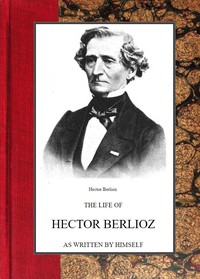
The life of Hector Berlioz as written by himself in his letters and memoirs
Written by Hector Berlioz
Chaptra reads alongside you — AI insights, chapter breakdowns and reader discussions for every book. Join free
About this book
Reading guide
Themes, characters and key ideas in The life of Hector Berlioz as written by himself in his letters and memoirs, written by Chaptra AI.
- about 25 hours
- advanced
- passionate
- melancholic
- dramatic
Hector Berlioz's autobiography offers an unparalleled, first-person account of the turbulent life and revolutionary artistic vision of one of Romanticism's most pivotal composers. Compiled from his extensive letters and memoirs, the book chronicles his relentless pursuit of music against his family's wishes, his passionate, often obsessive loves, and his lifelong struggle against conservative musical establishments. It vividly details his creative process, the genesis of his groundbreaking works like the *Symphonie Fantastique*, and his extensive travels as a conductor, providing an intimate look into the mind of a genius often misunderstood in his own time. Ultimately, it is a testament to the power of artistic conviction and the profound emotional cost of radical innovation.
“My life has been a novel, full of fantastic incidents, of sudden and violent turns of fortune, of sorrows and joys, of triumphs and disasters.”
Key themes
- Artistic Genius and Struggle
- This theme is central to the memoirs, chronicling Berlioz's lifelong battle to realize his unique musical vision against the constraints of convention, financial hardship, and public misunderstanding. It explores the immense dedication, sacrifices, and emotional toll required to pursue radical artistic innovation, portraying the artist as a solitary figure often at odds with society.
- Romanticism and its Ideals
- The memoirs serve as a quintessential document of the Romantic era, embodying its emphasis on intense emotion, individualism, the sublime, the dramatic, and the artist as a tortured genius. Berlioz's life and music are a direct manifestation of these ideals, reflecting a profound belief in the power of feeling over reason and the boundless potential of human imagination.
- Love, Obsession, and Despair
- Berlioz's memoirs are deeply personal, revealing the profound impact of love, particularly his obsessive passion for Harriet Smithson, which fueled both his greatest creative works and his deepest personal sorrows. The narrative explores the complex cycle of intense infatuation, the struggles of romantic relationships, the pain of unfulfilled desires, and the subsequent despair and loneliness.
Worth discussing
How does Berlioz's portrayal of himself align with or contradict the archetype of the 'Romantic genius'?
Chapter-by-chapter breakdowns, character arcs and the full thematic analysis come with a free account.
Discussions
No one has started one yet
Questions this book opens up
No discussions yet
Be the first to start a discussion about this book!
Sign up to start the discussionReviews
No reviews yet
Be the first to review this book!