
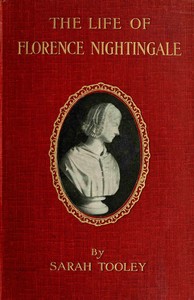
The life of Florence Nightingale
Written by Sarah A. Tooley
Chaptra reads alongside you — AI insights, chapter breakdowns and reader discussions for every book. Join free
About this book
Reading guide
Themes, characters and key ideas in The life of Florence Nightingale, written by Chaptra AI.
- about 10 hours
- advanced
- Inspiring
- Historical
- Informative
Sarah A. Tooley's "The Life of Florence Nightingale" offers a meticulous late 19th-century biographical account of the renowned nurse and social reformer. The book traces Nightingale's journey from her aristocratic birth in Florence, Italy, and her formative years in rural England, where she cultivated an early passion for caring for the sick. It vividly details her pivotal contributions during the Crimean War, where she revolutionized military nursing and sanitation, earning her the moniker 'The Lady with the Lamp.' Beyond her wartime heroism, Tooley explores Nightingale's relentless efforts in reforming healthcare systems and establishing modern nursing practices, illustrating her profound and lasting impact on public health worldwide. The narrative not only chronicles her professional achievements but also delves into the personal dedication and societal challenges that shaped her extraordinary life.
“"The Lady with the Lamp became a beacon of hope and practical reform in the darkest hours of human suffering."”
Key themes
- Vocation and Dedication
- This theme is central to Nightingale's life, exploring her profound sense of calling to serve humanity, particularly the sick and poor. The book details how this inner conviction guided her choices, compelling her to defy societal expectations and overcome significant obstacles to pursue nursing. It portrays her dedication not as a mere career choice, but as an almost spiritual imperative that fueled her relentless work and reforms.
- Social Reform and Public Health
- The biography meticulously chronicles Nightingale's transformative impact on public health and healthcare systems. It showcases her pioneering use of statistics and evidence-based practices to drive systemic change, from hospital sanitation to nurse training. This theme emphasizes her role not just as a caregiver, but as a strategic reformer who understood the interconnectedness of environment, policy, and health outcomes.
- Challenging Gender Roles and Women's Empowerment
- Tooley's narrative powerfully illustrates how Florence Nightingale defied the restrictive gender norms of Victorian society, which largely confined aristocratic women to domesticity or limited charitable work. Her pursuit of a professional career in nursing, her leadership in a male-dominated military context, and her subsequent influence on public policy represent a significant step towards women's empowerment and the expansion of their roles in the public sphere.
Worth discussing
How does Tooley's portrayal of Florence Nightingale reflect the societal expectations and gender roles of the late 19th century?
Chapter-by-chapter breakdowns, character arcs and the full thematic analysis come with a free account.
Discussions
No one has started one yet
Questions this book opens up
No discussions yet
Be the first to start a discussion about this book!
Sign up to start the discussionReviews
No reviews yet
Be the first to review this book!