
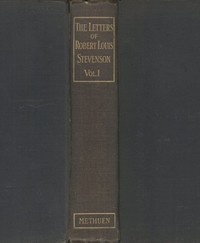
The Letters of Robert Louis Stevenson — Volume 1
Written by Robert Louis Stevenson
Chaptra reads alongside you — AI insights, chapter breakdowns and reader discussions for every book. Join free
About this book
Reading guide
Themes, characters and key ideas in The Letters of Robert Louis Stevenson — Volume 1, written by Chaptra AI.
- about 12 hours
- intermediate
- Humorous
- Observational
- Introspective
“The Letters of Robert Louis Stevenson — Volume 1” offers an intimate journey into the formative years of one of literature's most beloved writers. This collection of personal correspondence, primarily to family, chronicles Stevenson's life from adolescence through early adulthood, capturing his experiences at school, travels, and burgeoning literary observations. Readers witness the unfolding of his distinctive wit, keen eye for detail, and evolving worldview through candid reflections and playful language. More than just a biographical record, the volume illuminates the intellectual and emotional landscape that shaped Stevenson into the profound storyteller he would become, revealing the seeds of his future literary genius in his early thoughts and interactions.
“The world is a grand spectacle, and I am but a small, curious eye peering through its many windows, hoping to catch a glimpse of its true spirit.”
Key themes
- The Development of an Artist/Writer
- This is the central theme, tracing Stevenson's journey from a curious, witty adolescent to an individual actively honing his observational skills, descriptive language, and philosophical insights. The letters reveal his early attempts at writing, his reflections on art and literature, and the conscious cultivation of his unique voice and perspective, which would later define his literary career.
- Observation and Perception
- Stevenson's letters are rich with keen observations of his surroundings, whether detailing the quirks of people he meets, the beauty of a landscape, or the nuances of social interaction. This theme highlights his extraordinary ability to perceive and articulate the world around him, a fundamental trait of his literary genius, and suggests a philosophical stance on the importance of paying attention to life.
- Youth and Formative Experiences
- This theme focuses on the period of adolescence and early adulthood as a crucial time for personal growth, identity formation, and the discovery of one's place in the world. The letters capture the blend of youthful exuberance, intellectual curiosity, and nascent existential questioning that defines this stage of life, as Stevenson navigates education, travel, and early independence.
Worth discussing
How do Stevenson's early letters reveal the makings of his unique literary voice and narrative style?
Chapter-by-chapter breakdowns, character arcs and the full thematic analysis come with a free account.
Discussions
No one has started one yet
Questions this book opens up
No discussions yet
Be the first to start a discussion about this book!
Sign up to start the discussionReviews
No reviews yet
Be the first to review this book!