
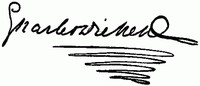
The Letters of Charles Dickens. Vol. 2, 1857-1870
Written by Charles Dickens
Chaptra reads alongside you — AI insights, chapter breakdowns and reader discussions for every book. Join free
About this book
Reading guide
Themes, characters and key ideas in The Letters of Charles Dickens. Vol. 2, 1857-1870, written by Chaptra AI.
- about 20 hours
- advanced
- insightful
- personal
- reflective
This second volume of 'The Letters of Charles Dickens' offers an intimate and multifaceted glimpse into the life of one of literature's giants between 1857 and 1870. Through his personal correspondence, readers witness Dickens navigating significant personal upheavals, including his marital separation and the acquisition of Gad's Hill, alongside immense professional productivity and public engagement. The letters chronicle the completion of major novels, his extensive public readings, and his interactions with a wide array of literary figures, friends, and family. This collection serves as a vital primary source, illuminating not only Dickens's own thoughts and feelings but also the broader social, cultural, and literary landscape of Victorian England. It provides an unparalleled opportunity to understand the man behind the novels, revealing his passions, anxieties, and unwavering dedication to his craft.
“I have been so hard at work, and have been so continually pressed, that I have not been able to write a line, except under that pressure.”
Key themes
- The Creative Process and Authorship
- The letters offer a rare window into Dickens's struggles, inspirations, and dedication to his craft. He discusses plot ideas, character development, deadlines, and the sheer labor involved in writing his iconic novels, revealing the human effort behind literary genius.
- Public Persona vs. Private Self
- The letters starkly contrast the public image of the celebrated, moralizing author with the private man grappling with personal crises, financial worries, and emotional vulnerabilities. This theme is particularly prominent during his marital separation and his exhausting public readings.
- Friendship and Social Connection
- Dickens's letters reveal a man deeply reliant on and devoted to his friendships. His correspondence with figures like Wilkie Collins, John Forster, and various actors and literary acquaintances showcases the importance of camaraderie, collaboration, and emotional support in his life.
Worth discussing
How do Dickens's letters reveal a different side of him compared to his published novels?
Chapter-by-chapter breakdowns, character arcs and the full thematic analysis come with a free account.
Discussions
No one has started one yet
Questions this book opens up
No discussions yet
Be the first to start a discussion about this book!
Sign up to start the discussionReviews
No reviews yet
Be the first to review this book!