
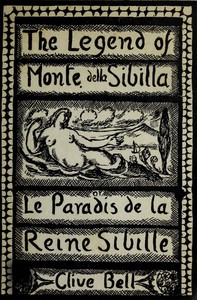
The Legend of Monte della Sibilla; or, Le paradis de la reine Sibille
Written by Clive Bell
Chaptra reads alongside you — AI insights, chapter breakdowns and reader discussions for every book. Join free
About this book
Reading guide
Themes, characters and key ideas in The Legend of Monte della Sibilla; or, Le paradis de la reine Sibille, written by Chaptra AI.
- about 8 hours
- intermediate
- whimsical
- humorous
- philosophical
Clive Bell's 1923 narrative poem, "The Legend of Monte della Sibilla," is a whimsical yet philosophically rich adventure blending fantasy with satire. It chronicles the journey of German knight Herr Hans Van Branbourg and his English squire Pons to the mythical paradise of the Sibyl, a realm of hedonistic pleasures and beautiful maidens. While initially enchanting, the paradise soon reveals a darker undercurrent through mysterious disappearances and the knight's burgeoning conscience. The poem ultimately explores the tension between desire and morality, the true nature of happiness, and the bittersweet realization that accompanies existential questioning, all delivered with humor and irony.
“Here, every pleasure blooms without a thorn, / A paradise for mortal man reborn.”
Key themes
- Hedonism vs. Morality
- The central conflict of the poem explores the tension between unrestrained pleasure and the demands of conscience or ethical living. The Sibyl's paradise offers boundless indulgence, forcing the protagonists to question whether such a life is truly fulfilling or if it leads to an empty existence.
- The Nature of Happiness and Paradise
- The poem critically examines what constitutes true happiness and the ideal 'paradise.' It questions whether a place devoid of struggle, choice, or consequence can ultimately provide genuine contentment, or if such an existence is inherently flawed or illusory.
- Desire and Temptation
- The narrative explores the powerful pull of human desire and the temptations that can lead individuals astray. The Sibyl's paradise is a manifestation of every conceivable desire, testing the characters' will and moral compass.
Worth discussing
How does Bell use humor and satire to explore serious philosophical questions about hedonism and morality?
Chapter-by-chapter breakdowns, character arcs and the full thematic analysis come with a free account.
Discussions
No one has started one yet
Questions this book opens up
No discussions yet
Be the first to start a discussion about this book!
Sign up to start the discussionReviews
No reviews yet
Be the first to review this book!