
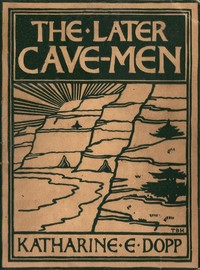
The Later Cave-Men
Written by Katharine Elizabeth Dopp
Chaptra reads alongside you — AI insights, chapter breakdowns and reader discussions for every book. Join free
About this book
Reading guide
Themes, characters and key ideas in The Later Cave-Men, written by Chaptra AI.
- about 3 hours
- beginner
- educational
- adventurous
- communal
Katharine Elizabeth Dopp's "The Later Cave-Men" is an early 20th-century educational children's book, part of a series designed to introduce primary grade students to industrial and social history through the lens of prehistoric life. The narrative immerses young readers in the "Age of the Chase," focusing on the seasonal existence of cave-men, particularly their anticipation and execution of the annual reindeer migration hunt. Through characters like the active Fleetfoot and the wise elder Chew-chew, the book explores communal living, survival strategies, and the intergenerational transmission of knowledge. Blending adventure with practical educational elements, Dopp effectively portrays the development of human societies and their intricate relationship with the natural world.
“"The reindeer were coming! The Cave-men watched and waited with eager hearts."”
Key themes
- Human Adaptation and Survival
- This theme explores how early humans adapted their lifestyles, technologies, and social structures to survive in challenging prehistoric environments. It highlights their resilience and ingenuity in securing food, shelter, and safety against the forces of nature.
- Community and Cooperation
- The book emphasizes that individual survival is inextricably linked to the well-being of the entire group. It showcases how collaboration, division of labor, and mutual support are essential for overcoming obstacles and thriving as a society.
- The Transmission of Knowledge and Heritage
- This theme underscores the critical role of elders and oral traditions in passing down vital information, skills, and cultural values from one generation to the next, ensuring the continuity and identity of the group.
Worth discussing
How do the Cave-men's preparations for the reindeer hunt demonstrate their understanding of their environment and the importance of planning?
Chapter-by-chapter breakdowns, character arcs and the full thematic analysis come with a free account.
Discussions
No one has started one yet
Questions this book opens up
No discussions yet
Be the first to start a discussion about this book!
Sign up to start the discussionReviews
No reviews yet
Be the first to review this book!