
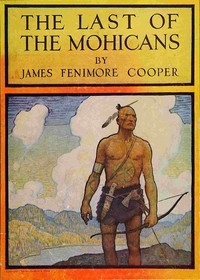
The Last of the Mohicans; A narrative of 1757
Written by James Fenimore Cooper
Chaptra reads alongside you — AI insights, chapter breakdowns and reader discussions for every book. Join free
About this book
Read it with a club
Chaptra's history and war clubs — small groups reading the same books and talking as they go.


Footnotes & Firefights
History and war
- 4 members
- 4 discussions
- Active Sep 11
Military history, from grand strategy down to the deeply boring logistics that actually decided everything. This is a Chaptra house club — set up and moderated by us to get the conversation going. Open to everyone; jump in anywhere.
Read The Last of the Mohicans; A narrative of 1757 alongside people who are reading it too.
Also here: Empire, Reconsidered
Chaptra Prime — paid clubs, every club feature, and unlimited reading support, for $5 a month or $60 once.
See PrimeReading guide
Themes, characters and key ideas in The Last of the Mohicans; A narrative of 1757, written by Chaptra AI.
- about 12 hours
- advanced
- adventurous
- tragic
- suspenseful
Set during the French and Indian War in 1757, "The Last of the Mohicans" follows the perilous journey of two British sisters, Cora and Alice Munro, as they attempt to join their father, Colonel Munro, at Fort William Henry. Guided by the intrepid frontiersman Natty Bumppo (Hawkeye), his Mohican blood brother Chingachgook, and Chingachgook's son Uncas, they navigate a treacherous wilderness fraught with warring factions and vengeful enemies. The narrative weaves a tale of survival, loyalty, and racial conflict against the backdrop of a disappearing frontier and the tragic decline of Native American cultures. It explores themes of nature versus civilization, the bonds of brotherhood, and the devastating impact of colonial warfare.
“"My day is come!" he said, with a ghastly smile. "The white man's gifts are not for me. I am the last of the Mohicans!"”
Key themes
- Clash of Civilizations/Cultures
- The novel vividly portrays the conflict between European colonial powers (British and French) and various Native American tribes, as well as the internal conflicts and alliances among indigenous peoples. It highlights the vast differences in values, warfare, and understanding of the land.
- Nature vs. Civilization
- Cooper idealizes the American wilderness as a testing ground for character and a source of moral purity, contrasting it with the perceived corruption and artificiality of European civilization. Those who thrive in nature (Hawkeye, Mohicans) possess a true understanding of life and survival.
- Racial Identity and Prejudice
- The novel grapples with racial distinctions and prejudices of the era. While Hawkeye transcends racial lines through his upbringing, the Mohicans are portrayed as 'noble savages' and the Hurons as 'bloodthirsty savages,' reflecting the complex and often problematic racial attitudes of 19th-century America. Cora's mixed-race heritage subtly influences her character and fate.
Worth discussing
How does Cooper portray the American wilderness, and what role does it play as a character or moral force in the novel?
Chapter-by-chapter breakdowns, character arcs and the full thematic analysis come with a free account.
Discussions
No one has started one yet
Questions this book opens up
No discussions yet
Be the first to start a discussion about this book!
Sign up to start the discussionReviews
No reviews yet
Be the first to review this book!