
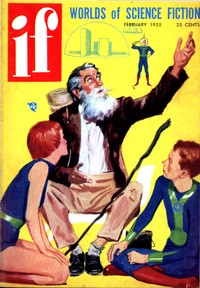
The Last Crusade
Written by George H. (George Henry) Smith
Chaptra reads alongside you — AI insights, chapter breakdowns and reader discussions for every book. Join free
About this book
Reading guide
Themes, characters and key ideas in The Last Crusade, written by Chaptra AI.
- about 8 hours
- intermediate
- dystopian
- bleak
- thought-provoking
George H. Smith's "The Last Crusade" is a mid-20th-century science fiction novel set in a grim, dystopian future ravaged by perpetual war. The narrative follows mecho-unit soldiers, including Ward, Whitey, and Sergeant Coleman, as they navigate a war-torn Paris, grappling with the profound loss of identity and purpose due to systematic brainwashing. Central to the story is Whitey's struggle to reclaim his memories and question the war's true objectives, particularly as they prepare for a major assault under the command of General Fightin' Joe Mac Williams. The book culminates in a chaotic battle, where themes of memory, censorship, and the devastating impact of conflict converge, offering a stark commentary on the human condition amidst relentless violence and propaganda.
“What are we fighting for, if we can't even remember who we are?”
Key themes
- Futility of War
- The most prominent theme, the novel relentlessly portrays war as a senseless, prolonged conflict with no clear objective or end. The destruction of Paris, the brainwashing of soldiers, and the lack of clarity regarding the enemy all contribute to a pervasive sense of meaninglessness, highlighting the immense human and societal cost without any tangible gain.
- The Human Condition in Conflict
- This overarching theme explores the resilience, fragility, and moral dilemmas faced by individuals caught in the machinery of war. It delves into questions of courage, despair, loyalty, and the innate human desire for meaning and self-preservation, even when confronted with overwhelming forces designed to strip these away.
- Loss of Identity and Memory
- Central to the narrative is the systematic brainwashing that strips soldiers of their individual memories and identities. This theme explores the profound psychological damage inflicted by war, where personal history and selfhood are sacrificed for the sake of obedience and military cohesion. Whitey's struggle to recall his past is the primary vehicle for this exploration.
Worth discussing
How does the novel use the concept of 'mecho-unit soldiers' and brainwashing to comment on dehumanization in warfare?
Chapter-by-chapter breakdowns, character arcs and the full thematic analysis come with a free account.
Discussions
No one has started one yet
Questions this book opens up
No discussions yet
Be the first to start a discussion about this book!
Sign up to start the discussionReviews
No reviews yet
Be the first to review this book!