
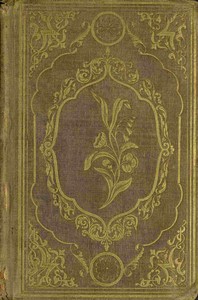
The language of flowers : $b The floral offering ; a token of affection and esteem ; comprising the language and poetry of flowers
Written by Henrietta Dumont
Chaptra reads alongside you — AI insights, chapter breakdowns and reader discussions for every book. Join free
About this book
Reading guide
Themes, characters and key ideas in The language of flowers : $b The floral offering ; a token of affection and esteem ; comprising the language and poetry of flowers, written by Chaptra AI.
- about 8 hours
- intermediate
- reflective
- sentimental
- poetic
Henrietta Dumont's "The Language of Flowers" is a quintessential 19th-century guide that deciphers the intricate symbolic meanings attributed to various flowers. Presented as "The Floral Offering; a Token of Affection and Esteem," this work combines botanical knowledge with poetic expression, offering readers a unique non-verbal language for conveying emotions and sentiments. The book opens with a thoughtful preface pondering the profound significance of flowers in human life, establishing a philosophical foundation for their inherent meanings, from hope and love to grief and betrayal. Following this, it transitions into an extensive dictionary-like format, detailing individual flowers, their symbolic interpretations, and illustrative poetic excerpts. Ultimately, Dumont's collection serves as both an educational resource and a sentimental exploration of nature's capacity to mirror the complexities of the human heart, deepening appreciation for flora and the emotional connections they facilitate.
“"Do flowers indeed possess an inherent language, echoing the myriad sentiments of the human heart?"”
Key themes
- Non-Verbal Communication
- The central theme, exploring how flowers serve as a sophisticated medium for conveying complex emotions and messages without spoken words. This theme delves into the cultural codes and shared understandings necessary for such a language to function, highlighting its significance in a society that valued subtle expression.
- Nature's Symbolism and Beauty
- This theme explores the profound connection between the natural world and human emotion, positing that nature inherently reflects and embodies human experiences. It celebrates the aesthetic beauty of flowers while imbuing them with deeper, often philosophical, significance.
- Sentimentality and Emotional Expression
- The book is deeply rooted in 19th-century sentimentality, showcasing a cultural emphasis on expressing emotions, often subtly and decorously. It highlights the human desire to give form and meaning to abstract feelings like love, grief, longing, and joy through tangible, beautiful objects.
Worth discussing
How does the concept of a 'language of flowers' reflect the social conventions and emotional expression of the Victorian era?
Chapter-by-chapter breakdowns, character arcs and the full thematic analysis come with a free account.
Discussions
No one has started one yet
Questions this book opens up
No discussions yet
Be the first to start a discussion about this book!
Sign up to start the discussionReviews
No reviews yet
Be the first to review this book!