
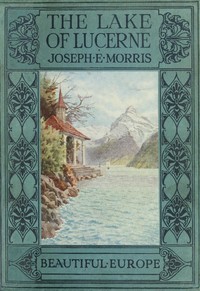
The Lake of Lucerne
Written by Joseph E. (Joseph Ernest) Morris
Chaptra reads alongside you — AI insights, chapter breakdowns and reader discussions for every book. Join free
About this book
Reading guide
Themes, characters and key ideas in The Lake of Lucerne, written by Chaptra AI.
- about 8 hours
- intermediate
- evocative
- historical
- picturesque
Joseph E. Morris's 'The Lake of Lucerne' is an early 20th-century illustrated travel narrative that meticulously guides readers through the breathtaking landscapes, rich history, and vibrant culture surrounding Switzerland's Lake Lucerne. The book vividly portrays the region's natural beauty, from its dramatic shores to the iconic mountains Pilatus and Rigi, while seamlessly interweaving historical accounts and local legends, most notably those of William Tell. Morris's narrative serves as both a descriptive guide and a reflective exploration of the interplay between nature, human history, and the burgeoning impact of tourism in this enchanting Swiss locale, inviting readers to a deep appreciation of its multifaceted charm. It captures a specific moment in time, offering insights into early 20th-century travel and perceptions of place.
“The dramatic shapes of Lucerne's shores whisper tales of ages past, where nature's grandeur meets the echoes of human history.”
Key themes
- The Sublime Beauty of Nature
- Morris consistently emphasizes the awe-inspiring and majestic qualities of the Lake Lucerne landscape, particularly the dramatic interplay between the lake and the surrounding mountains like Pilatus and Rigi. This theme explores how nature evokes deep emotional and spiritual responses in the observer, highlighting its power and grandeur.
- History and Myth as Foundations of Place
- The book intricately weaves together factual historical events with enduring local legends and myths, demonstrating how these narratives contribute to the unique identity and cultural heritage of the Lake Lucerne region. It shows how the past, both real and imagined, shapes the present perception and significance of a place.
- The Impact of Tourism
- Morris, writing in the early 20th century, subtly addresses the burgeoning phenomenon of tourism and its effects on the natural and cultural landscape. The book implicitly explores how the desire to experience and consume beauty and history influences the development of infrastructure, the presentation of sites, and the overall atmosphere of the region.
Worth discussing
How does Morris intertwine natural beauty with historical and legendary narratives to create a sense of place?
Chapter-by-chapter breakdowns, character arcs and the full thematic analysis come with a free account.
Discussions
No one has started one yet
Questions this book opens up
No discussions yet
Be the first to start a discussion about this book!
Sign up to start the discussionReviews
No reviews yet
Be the first to review this book!