
The AI reading companion for people who take books seriously
AI insights, chapter breakdowns, community discussions — all in one place.
The Laird o' Coul's Ghost
About this book
More by William Ogilvie
Browse all books by this authorExplore Ghosts Books
Discover more Ghosts literature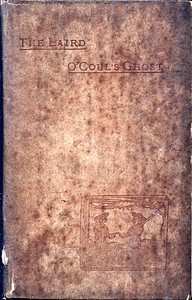
Click "Read now" to open in our Reader with AI features.
Community Discussions
Join the conversation about this book
Discussions
0 discussions
No discussions yet
Be the first to start a discussion about this book!
Sign up to start the discussionAI-Powered Insights
A clearer way to understand The Laird o' Coul's Ghost through themes, characters, and key ideas
This reading guide highlights what stands out in The Laird o' Coul's Ghost through 4 core themes, 2 character profiles. It is meant to help readers decide whether the book fits their taste and deepen the reading once they begin.
About this book
A quick AI guide to “The Laird o' Coul's Ghost”
Get the shape of the book before you commit: what it is about, what mood it carries, and what ideas readers tend to stay with afterward.
What the book is doing
William Ogilvie's "The Laird o' Coul's Ghost" is an 18th-century chapbook that vividly recounts the post-mortem appearances of Maxwell, Laird of Coul, to Mr. Ogilvie, a perplexed minister. Through a series of profound 'conferences,' the ghost seeks to rectify injustices and wrongs committed during his lifetime, grappling with the moral consequences of his actions. This narrative serves as a compelling exploration of justice, the afterlife, and the intricate relationship between earthly deeds and spiritual reckoning. The dialogues between the spectral Laird and the minister offer deep insights into human morality, the complexities of sin, and the potential for redemption, even beyond the grave.
Key Themes
Justice and Retribution
The core theme of the narrative, exploring the nature of justice and whether it can extend beyond the grave. The Laird's spectral torment is a direct consequence of unaddressed injustices, highlighting the belief that wrongs must be righted. The story questions the efficacy of earthly justice and posits a divine or spiritual system of retribution that demands rectification.
Morality and Consequence
This theme directly links actions performed during life to their repercussions in the afterlife. The Laird's haunting is not random but a direct consequence of his immoral behavior. The narrative serves as a strong didactic lesson, asserting that one's ethical choices have profound and lasting spiritual ramifications, emphasizing the importance of living a virtuous life.
“"My earthly deeds, alas, have bound me to this restless plane, until the wrongs be righted."”
How does 'The Laird o' Coul's Ghost' use the supernatural to explore moral and ethical issues relevant to its 18th-century audience?
See chapter-by-chapter takeaways, deeper character arcs, and a fuller literary analysis built around this book.
Unlock full AI analysis for “The Laird o' Coul's Ghost”
Chapter breakdowns, character deep-dives, and thematic analysis — all in one place.
Reader Reviews
See what others are saying
Reviews
Overall Rating
Based on community ratings
No reviews yet
Be the first to review this book!
Readers Also Enjoyed
Discover more books similar to The Laird o' Coul's Ghost