
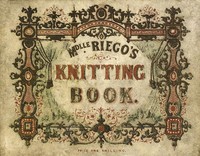
The Knitting Book
Written by Eléonore Riego de la Branchardière
Chaptra reads alongside you — AI insights, chapter breakdowns and reader discussions for every book. Join free
About this book
Reading guide
Themes, characters and key ideas in The Knitting Book, written by Chaptra AI.
- about 20 hours
- intermediate
- instructive
- practical
- meticulous
Eléonore Riego de la Branchardière's "The Knitting Book" is a seminal mid-19th-century instructional manual, meticulously designed to impart the art of knitting to both novices and experienced practitioners. The book features comprehensive explanations of techniques, accompanied by original designs and illustrations, reflecting the author's commitment to clarity and innovation. In its preface, Branchardière not only expresses her pedagogical intent but also asserts the originality of her patterns, critiquing plagiarizing competitors. This work stands as a testament to the era's flourishing domestic arts, providing a structured pathway for readers to master a valuable and creative skill.
“"My earnest hope is, that by means of the detailed instructions and carefully executed illustrations, the learner will be enabled to master this art."”
Key themes
- Craftsmanship and Skill Development
- The core purpose of the book is to foster and refine the reader's knitting skills, emphasizing the value of meticulous execution and the satisfaction derived from mastering a craft. It highlights the process of learning and the tangible outcome of skilled labor.
- Empowerment through Domestic Arts
- For women in the 19th century, mastering skills like knitting provided a practical means for creating clothing and household items, offering a sense of accomplishment, a creative outlet, and potentially a source of income. The book implicitly empowers its female readership.
- Innovation and Originality
- Branchardière strongly asserts the originality of her designs and criticizes imitators, highlighting the importance of creative integrity and the nascent concept of intellectual property in the mid-19th century. This theme underscores the author's role as an innovator.
Worth discussing
How does 'The Knitting Book' reflect the societal role of women and domestic arts in the mid-19th century?
Chapter-by-chapter breakdowns, character arcs and the full thematic analysis come with a free account.
Discussions
No one has started one yet
Questions this book opens up
No discussions yet
Be the first to start a discussion about this book!
Sign up to start the discussionReviews
No reviews yet
Be the first to review this book!