
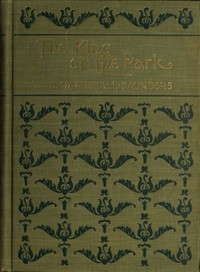
The King of the Park
Written by Marshall Saunders
Chaptra reads alongside you — AI insights, chapter breakdowns and reader discussions for every book. Join free
About this book
Reading guide
Themes, characters and key ideas in The King of the Park, written by Chaptra AI.
- about 8 hours
- intermediate
- humorous
- whimsical
- heartwarming
Marshall Saunders' late 19th-century children's novel, "The King of the Park," follows the spirited young Eugene, a peculiar boy in a Boston park who holds an unwavering admiration for Napoleon. Alone and adrift in a foreign city, Eugene's vivid imagination and haughty demeanor clash humorously with his unfortunate reality. Through his interactions with the kindly Sergeant Hardy and the regal cat, King Boozy, Eugene embarks on a whimsical journey that explores themes of loyalty, identity, and the profound human need for belonging. The story cleverly balances lighthearted adventure with the underlying poignancy of a child grappling with abandonment, ultimately fostering a unique bond between the boy, the lawman, and the anthropomorphized animal companions.
“"My emperor, sir, is Napoleon, and no mere schoolmaster can command my loyalty!"”
Key themes
- Imagination vs. Reality
- The novel deeply explores how Eugene's vivid imagination, particularly his unwavering devotion to Napoleon, serves as both a coping mechanism and a defining aspect of his identity. It highlights the tension between his grand internal world and the harsh realities of his solitary existence, showing how imagination can be a source of strength and solace.
- Loyalty and Belonging
- A core theme revolves around Eugene's profound need for loyalty – both his fierce loyalty to Napoleon and his subconscious search for a place to belong. The novel explores how loyalty can be found in unexpected relationships, moving from an abstract ideal to concrete, nurturing bonds with Sergeant Hardy and King Boozy.
- Coping with Abandonment and Loss
- Eugene's underlying struggle is his situation as a child alone in a foreign city. The novel subtly but powerfully portrays his methods of coping with this emotional void, using imagination and a 'haughty outlook' to maintain a sense of dignity and control, while gradually learning to accept care and connection from others.
Worth discussing
How does Eugene's admiration for Napoleon shape his identity and interactions throughout the story?
Chapter-by-chapter breakdowns, character arcs and the full thematic analysis come with a free account.
Discussions
No one has started one yet
Questions this book opens up
No discussions yet
Be the first to start a discussion about this book!
Sign up to start the discussionReviews
No reviews yet
Be the first to review this book!