
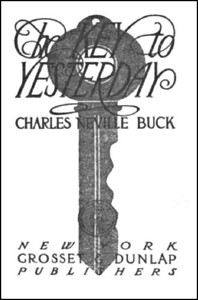
The Key to Yesterday
Written by Charles Neville Buck
Chaptra reads alongside you — AI insights, chapter breakdowns and reader discussions for every book. Join free
About this book
Reading guide
Themes, characters and key ideas in The Key to Yesterday, written by Chaptra AI.
- about 8 hours
- intermediate
- romantic
- mysterious
- introspective
Set in the early 20th century against the vibrant backdrop of Churchill Downs, Charles Neville Buck's "The Key to Yesterday" delves into the intricate life of Robert A. Saxon, a talented painter haunted by a mysterious past. His world irrevocably shifts on Derby Day when he becomes captivated by Duska Filson, sparking a profound romantic connection that intertwines with his artistic rebirth. As Saxon navigates his burgeoning feelings and artistic ambitions, he must confront the secrets of his identity, which threaten to unravel his new-found happiness. The novel skillfully blends the excitement of horse racing with an introspective exploration of love, identity, and the redemptive power of self-discovery, all while maintaining a compelling undercurrent of mystery.
“"The past is a lock, but sometimes, love is the only key that can turn it."”
Key themes
- Identity and The Past
- This theme explores how one's history, particularly a hidden or troubled one, shapes their present identity and future choices. Robert Saxon's "haunting secret" forces him to grapple with who he was versus who he wants to be, highlighting the struggle between self-acceptance and the desire for reinvention.
- Love and Connection
- The novel deeply explores the transformative power of love, particularly the profound connection that develops between Robert Saxon and Duska Filson. This love serves as a catalyst for Saxon's personal growth, challenging his reclusiveness and forcing him towards honesty and vulnerability.
- Artistic Ambition and Self-Discovery
- Robert Saxon's journey as a painter is intricately linked to his personal quest for identity. His art is not just a profession but a mirror to his soul, reflecting his internal turmoil and eventually his newfound hope and clarity. His artistic ambition evolves as he discovers more about himself and his capacity for love.
Worth discussing
How does the setting of Churchill Downs and the Derby races reflect or contrast with Robert Saxon's internal journey and artistic pursuits?
Chapter-by-chapter breakdowns, character arcs and the full thematic analysis come with a free account.
Discussions
No one has started one yet
Questions this book opens up
No discussions yet
Be the first to start a discussion about this book!
Sign up to start the discussionReviews
No reviews yet
Be the first to review this book!