
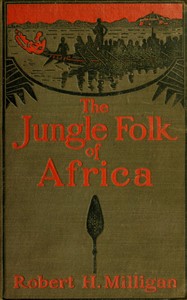
The jungle folk of Africa
Written by Robert H. Milligan
Chaptra reads alongside you — AI insights, chapter breakdowns and reader discussions for every book. Join free
About this book
Reading guide
Themes, characters and key ideas in The jungle folk of Africa, written by Chaptra AI.
- about 8 hours
- intermediate
- Observational
- Reflective
- Humanizing
Robert H. Milligan's "The Jungle Folk of Africa" is an early 20th-century memoir chronicling his seven years as a missionary in West Africa. Through personal anecdotes and candid reflections, Milligan challenges prevailing Western misconceptions about African tribes, striving to portray their daily lives, joys, and struggles with empathy and realism. The book opens with his departure, detailing the practical realities of missionary travel and the initial cultural shock, contrasting sharply with romanticized notions. Ultimately, Milligan aims to humanize the African people, presenting them as complex individuals rather than subjects of pity or exotic fascination, thereby fostering a deeper understanding of their culture and beliefs.
“The true jungle folk are not savages, but souls grappling with universal joys and sorrows, much like our own.”
Key themes
- Cultural Understanding vs. Misconception
- This is the central theme, as Milligan explicitly aims to dismantle Western stereotypes and romanticized views of African people. He provides detailed observations to counter prevailing misconceptions, highlighting the richness and complexity of their cultures, traditions, and daily lives.
- The Human Condition and Universal Experiences
- Milligan frequently emphasizes the shared humanity between Africans and Westerners, illustrating that despite cultural differences, fundamental human experiences like joy, sorrow, love, fear, and community are universal. This theme reinforces his effort to humanize the 'jungle folk.'
- The Realities of Missionary Life
- The memoir candidly explores the practical, physical, and emotional challenges of being a missionary in a foreign land. It demystifies the romanticized image of missionary work, highlighting the daily struggles, cultural adaptations, and personal sacrifices involved.
Worth discussing
How does Milligan challenge the prevailing Western stereotypes of African people common in the early 20th century? Were his efforts successful?
Chapter-by-chapter breakdowns, character arcs and the full thematic analysis come with a free account.
Discussions
No one has started one yet
Questions this book opens up
No discussions yet
Be the first to start a discussion about this book!
Sign up to start the discussionReviews
No reviews yet
Be the first to review this book!