
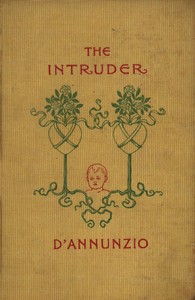
The Intruder
Written by Gabriele D'Annunzio
Chaptra reads alongside you — AI insights, chapter breakdowns and reader discussions for every book. Join free
About this book
Reading guide
Themes, characters and key ideas in The Intruder, written by Chaptra AI.
- about 10 hours
- advanced
- dark
- psychological
- tragic
Gabriele D'Annunzio's "The Intruder" (Il Piacere) is a deeply psychological novel exploring the tumultuous inner world of Tullio Hermil, a man consumed by his own desires and the destructive consequences of his actions. Grappling with a complex and often cruel relationship with his wife, Juliana, Tullio's narrative is a relentless introspection into infidelity, betrayal, and an unsettling oscillation between a craving for freedom and a desperate need for connection. The story unfolds as Tullio reflects on his past infidelities and the profound emotional toll they have taken, particularly after a secret, tragic event involving Juliana's child, which he perceives as an 'intruder' into his life and conscience. It is a profound exploration of guilt, egoism, and the dual nature of human emotions, set against the backdrop of late 19th-century Italian decadence.
“I carried within me a secret crime, a crime I could not fully comprehend, yet it weighed upon my soul with an unbearable burden.”
Key themes
- Guilt and Conscience
- This is the central theme, driving Tullio's entire narrative. The novel meticulously explores the torment of a conscience haunted by past transgressions, particularly the birth and death of Juliana's child. Tullio's guilt is not necessarily a path to redemption but a perpetual, inescapable burden, a form of self-inflicted psychological torture that he both loathes and, in a perverse way, embraces as part of his refined suffering. It questions whether true atonement is possible for a deeply egoistical individual.
- Infidelity and Betrayal
- The plot is propelled by a cycle of infidelity and betrayal, both Tullio's against Juliana and, subsequently, Juliana's against Tullio. This theme explores the destructive nature of marital disloyalty, not just on the betrayed partner but also on the betrayer. It delves into the motivations behind infidelity – Tullio's narcissism and insatiable desire for novelty, and Juliana's desperate search for affection and agency. The consequences of these betrayals form the emotional core of the novel.
- Egoism and Decadence
- Tullio Hermil is the quintessential D'Annunzian decadent hero, embodying a radical egoism that prioritizes personal sensation, aesthetic pleasure, and intellectual superiority above all else. This theme explores the dangers of unchecked narcissism and the pursuit of beauty and experience for their own sake, often leading to moral decay and psychological isolation. It reflects the fin-de-siècle anxieties about individualism and the decline of traditional values, where the self becomes the ultimate, often destructive, focus.
Worth discussing
To what extent is Tullio Hermil a victim of his own desires versus a product of his aristocratic, decadent environment?
Chapter-by-chapter breakdowns, character arcs and the full thematic analysis come with a free account.
Discussions
No one has started one yet
Questions this book opens up
No discussions yet
Be the first to start a discussion about this book!
Sign up to start the discussionReviews
No reviews yet
Be the first to review this book!