
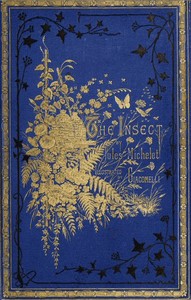
The Insect
Written by Jules Michelet
Chaptra reads alongside you — AI insights, chapter breakdowns and reader discussions for every book. Join free
About this book
Reading guide
Themes, characters and key ideas in The Insect, written by Chaptra AI.
- about 8 hours
- advanced
- philosophical
- reverent
- observational
Jules Michelet's "The Insect" is a mid-19th-century scientific and philosophical exploration that delves into the intricate lives of insects, celebrating their profound ecological roles and drawing poetic connections to human existence. The work moves beyond mere scientific observation, imbuing the insect world with beauty, mystery, and deep significance within the broader tapestry of life. Michelet emphasizes the interconnectedness of all living forms, portraying insects as vital threads in nature's grand design and offering profound reflections on humanity's place within this natural order. Through vivid imagery, philosophical musings, and personal anecdotes, the author expresses a deep empathy and reverence for these often-overlooked creatures, inviting readers to perceive the world with renewed wonder and humility.
“The insect world, vast and intricate, mirrors the very tapestry of human existence.”
Key themes
- Interconnectedness of Life
- Michelet passionately argues for the deep interdependence of all living things, demonstrating how insects, though small, are vital threads in the grand tapestry of nature. He meticulously illustrates their roles in pollination, decomposition, and food chains, extending this concept to suggest a profound, often overlooked, connection between the insect world and human existence and society.
- Beauty and Mystery of the Natural World
- The book is a fervent celebration of the inherent aesthetic and existential wonder found in the insect realm. Michelet encourages readers to look beyond superficial appearances and common prejudices to appreciate nature's intricate designs, astonishing adaptations, and hidden marvels. He suggests that the mystery surrounding insect life, their instincts, and their purpose, offers a profound challenge to human understanding and inspires awe.
- Empathy and Reverence for Life
- A core tenet of Michelet's approach is a profound empathy for all living beings, particularly the often-disregarded insects. He advocates for a respectful, almost spiritual, connection to the natural world, urging readers to recognize the intrinsic value of every creature, regardless of its size or perceived importance. This theme underscores the ethical dimension of engaging with nature.
Worth discussing
How does Michelet blend scientific observation with poetic and philosophical interpretation, and what is the effect of this approach?
Chapter-by-chapter breakdowns, character arcs and the full thematic analysis come with a free account.
Discussions
No one has started one yet
Questions this book opens up
No discussions yet
Be the first to start a discussion about this book!
Sign up to start the discussionReviews
No reviews yet
Be the first to review this book!