
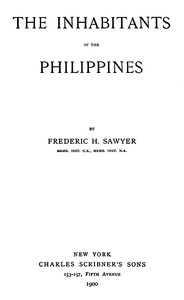
The Inhabitants of the Philippines
Written by Frederic H. Sawyer
Chaptra reads alongside you — AI insights, chapter breakdowns and reader discussions for every book. Join free
About this book
Reading guide
Themes, characters and key ideas in The Inhabitants of the Philippines, written by Chaptra AI.
- about 12 hours
- advanced
- Informative
- Historical
- Analytical
Frederic H. Sawyer's "The Inhabitants of the Philippines" is a significant late 19th-century ethnographic and historical account that challenges prevailing negative stereotypes of the Filipino people under Spanish colonial rule. Drawing on over fourteen years of firsthand experience, Sawyer offers a nuanced and largely positive portrayal of Filipino society, culture, and governance. The book systematically counters misconceptions by providing detailed observations and anecdotes, particularly highlighting the disparity in treatment between natives and colonizers. It serves as both a historical document and an advocacy piece, aiming to correct biased narratives and foster a deeper understanding of the Filipino identity shaped by complex indigenous traditions and foreign influences.
“"After fourteen years' residence in the Philippines, I felt it my duty to lay before the public a more faithful picture of the inhabitants than has hitherto been drawn."”
Key themes
- Colonialism and its Impacts
- The pervasive influence and often detrimental effects of Spanish colonial rule on Filipino society, governance, and individual lives. Sawyer details how colonial administrations shaped laws, customs, and social hierarchies, often leading to inequality and injustice.
- Misrepresentation vs. Reality
- Sawyer's central purpose: to correct the widespread negative and inaccurate portrayals of Filipinos by previous European authors. He strives to present an authentic, nuanced, and positive reality of their culture and character, challenging stereotypes based on ignorance or prejudice.
- Social Justice and Inequality
- A prominent underlying theme is the critical examination of social and legal inequalities faced by Filipinos under colonial rule. Sawyer uses specific examples to highlight the injustices, biases, and discriminatory practices that characterized the relationship between colonizers and the colonized.
Worth discussing
How does Sawyer's personal experience of 14 years in the Philippines lend credibility to his account, and what are its potential limitations?
Chapter-by-chapter breakdowns, character arcs and the full thematic analysis come with a free account.
Discussions
No one has started one yet
Questions this book opens up
No discussions yet
Be the first to start a discussion about this book!
Sign up to start the discussionReviews
No reviews yet
Be the first to review this book!