
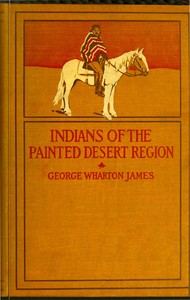
The Indians of the Painted Desert Region: Hopis, Navahoes, Wallapais, Havasupais
Written by George Wharton James
Chaptra reads alongside you — AI insights, chapter breakdowns and reader discussions for every book. Join free
About this book
Reading guide
Themes, characters and key ideas in The Indians of the Painted Desert Region: Hopis, Navahoes, Wallapais, Havasupais, written by Chaptra AI.
- about 10 hours
- intermediate
- informative
- descriptive
- historical
George Wharton James's "The Indians of the Painted Desert Region" is an early 20th-century ethnographic account offering a detailed exploration of the Hopi, Navaho, Wallapai, and Havasupai tribes inhabiting the harsh yet beautiful Arizona landscape. The book commences with a vivid description of the Painted Desert's striking contrasts, establishing the challenging environment that shaped these indigenous cultures. James delves into the lives, customs, religious practices, and historical encounters of these peoples, aiming to provide readers with a deeper understanding of their unique traditions and resilience. It serves as a historical document, capturing a snapshot of these Native American societies through the lens of an early ethnographer, emphasizing their profound connection to their unforgiving environment.
“The Painted Desert region is a land of striking contrasts, where beauty and desolation coexist in a harmony that is both fascinating and daunting.”
Key themes
- Cultural Adaptation and Resilience
- This theme explores how the various Native American tribes have not only survived but thrived in the challenging and arid environment of the Painted Desert. It delves into their ingenious methods of agriculture, water management, shelter construction, and social organization that enabled them to sustain their communities for centuries against harsh natural conditions.
- The Sacredness of the Land and Nature
- The book illustrates the profound spiritual and cultural connection these indigenous peoples have with their physical environment. The land is not merely a resource but a living entity, imbued with spiritual significance, guiding their ceremonies, beliefs, and daily practices. This theme emphasizes the holistic worldview where humans are an integral part of nature.
- Ethnographic Observation and Documentation
- This theme addresses the very act of the book's creation – James's endeavor to observe, record, and interpret the cultures of the Painted Desert. It implicitly raises questions about the role of the ethnographer, the challenges of cross-cultural understanding, and the motivations behind documenting traditional societies, particularly during a period when many feared the 'disappearance' of such cultures.
Worth discussing
How does James's description of the Painted Desert influence our understanding of the tribes living there?
Chapter-by-chapter breakdowns, character arcs and the full thematic analysis come with a free account.
Discussions
No one has started one yet
Questions this book opens up
No discussions yet
Be the first to start a discussion about this book!
Sign up to start the discussionReviews
No reviews yet
Be the first to review this book!