
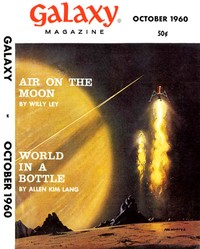
The Immortals
Written by David Duncan
Chaptra reads alongside you — AI insights, chapter breakdowns and reader discussions for every book. Join free
About this book
Reading guide
Themes, characters and key ideas in The Immortals, written by Chaptra AI.
- about 8 hours
- intermediate
- thought-provoking
- dystopian
- philosophical
David Duncan's early 1960s science fiction novel, "The Immortals," explores the profound implications of eternal life through the discovery of the Y Hormone, a substance that halts aging. Dr. Clarence Peccary, its inventor, grapples with the ethical dilemma of profiting from his discovery versus the potential societal devastation it could unleash. Aided by Roger Staghorn and his powerful computer, Humanac, Peccary projects a future where immortality leads to a bleak, risk-averse existence dominated by the Atavars, who hoard youth. The narrative follows their journey into this projected dystopia, revealing a society devoid of passion and aspiration, culminating in a dramatic confrontation that forces Peccary to confront the harsh realities of his creation and the true essence of the human condition.
“"To live forever is not to live at all, if living means to strive, to risk, to become."”
Key themes
- Immortality and the Human Condition
- The central theme explores the profound question of what it means to be human when the fear of death is removed. Duncan suggests that mortality is not a flaw but a necessary catalyst for aspiration, creativity, love, and the very concept of purpose. Without the finite nature of life, human existence risks becoming stagnant and meaningless.
- The Ethics of Scientific Discovery
- This theme delves into the moral responsibilities of scientists and the potential unintended consequences of groundbreaking discoveries. Dr. Peccary's journey from ambitious inventor to a conscience-driven individual underscores the idea that scientific progress must be tempered with foresight and ethical consideration for humanity's long-term well-being.
- The Value of Mortality
- Counter-intuitively, the book argues that mortality is not a limitation but a fundamental aspect of human value. The finite nature of life instills urgency, motivates individuals to make the most of their time, and fosters qualities like courage, love, and the pursuit of legacy. Death, in this view, gives life its ultimate meaning.
Worth discussing
If immortality were achievable today, what ethical dilemmas would arise, and how might society respond?
Chapter-by-chapter breakdowns, character arcs and the full thematic analysis come with a free account.
Discussions
No one has started one yet
Questions this book opens up
No discussions yet
Be the first to start a discussion about this book!
Sign up to start the discussionReviews
No reviews yet
Be the first to review this book!